

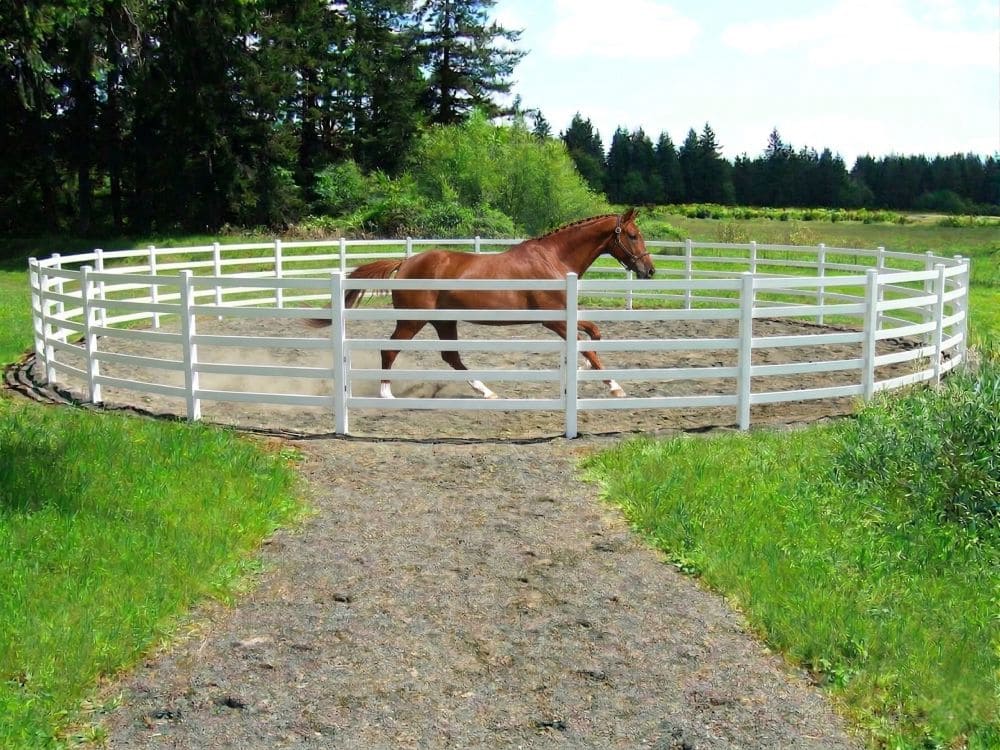
When it comes to creating a safe and functional space for horses, one of the most essential elements of any horse arena is the fence. It not only defines boundaries but also plays a crucial role in the safety and security of both horses and riders.
With various fencing materials available, how do you know which one is the best for your horse arena?
In this article, we will explore common fencing options, compare materials, and dive deep into why high-density polyethylene (HDPE) fencing stands out as the ideal solution for horse arenas.
The Importance of a Well-Designed Horse Arena Fence
A fence marks the boundaries of your horse arena, provides a secure environment for horses, and helps facilitate smooth training and events. Without the right fence, horses can become easily distracted or anxious, potentially leading to accidents or injuries. A sturdy, well-designed fence keeps horses safe and contained while also to the overall functionality and aesthetics of your arena.
In addition to providing physical safety, the right fencing also influences the arena’s usability. For example, an easily maintained fence will save you time and money on repairs, which allows you to focus more on training and less on upkeep. Moreover, an attractive fence can enhance the appearance of your property, improving its value and your enjoyment of the space.
Common Horse Arena Fencing Options & Materials
There are several fencing materials commonly used for horse arenas, each with its own set of advantages and drawbacks. Here are some of the most popular materials.
HDPE
HDPE is becoming an increasingly popular choice for horse arena fencing. Known for its strength and durability, HDPE fences offer several key benefits that make them ideal for horse owners:
- Durability: HDPE is highly resistant to weather, wear, and UV damage, so the fence remains strong and functional for many years. It also doesn’t warp or crack under extreme temperatures or after exposure to moisture.
- Safety: The material has no sharp edges or splinters, making it safer for horses, which are prone to injuries from traditional wooden fences.
- Low maintenance: Unlike wood or vinyl, HDPE requires little to no maintenance. You won’t need to repaint it or worry about it rotting or cracking over time.
- Aesthetic appeal: HDPE fences are available in a range of colors and designs. Choose a style that complements your arena and property.
In terms of performance, HDPE outperforms many other materials due to its long-lasting nature and safety features. Overall, it’s an excellent choice for horse arenas.
Wood
Wooden fences have long been a classic choice for horse arenas due to their natural appearance and charm. They provide a rustic, traditional look that can blend beautifully with rural settings:
- Aesthetic appeal: Wood fences offer a timeless look and can be customized to suit different styles. They can also be stained or painted to match your preferred color scheme.
- Maintenance requirements: However, wood fences require regular maintenance. Over time, they are susceptible to rot, splinters, and insect damage. They may also need to be re-stained or painted periodically to maintain their appearance and longevity.
- Safety concerns: Wooden fences can present safety risks due to splinters or sharp edges, especially if they are not properly maintained.
Wood can be aesthetically pleasing, but the maintenance required may not be ideal for every horse owner, especially those looking for a low maintenance option. It can weaken over time due to weathering, requiring frequent repairs or even replacements.
Additionally, while wood’s natural look is a significant advantage; however, it also means it has a higher chance of safety risks such as splinters or sharp edges, which could pose a danger to both horses and riders.
Vinyl Fencing
Vinyl fencing, made from durable polyvinyl chloride (PVC), offers a modern alternative to wood. It provides a clean and polished look with less maintenance:
- Low maintenance: Vinyl does not require painting or staining and is resistant to the elements. It won’t rot, crack, or warp like wood.
- Safety: Vinyl fences are smooth and free from splinters, making them safe for horses.
- Durability: While vinyl is highly durable, it can be prone to cracking under extreme pressure or impact, especially in colder climates.
- Aesthetic appeal: Vinyl fencing offers a sleek, contemporary look and comes in various colors and designs. However, it may not provide the same rustic charm as wood.
Vinyl fencing offers great durability and safety, but it may not be as flexible or adaptable to the rugged demands of certain equestrian environments. It can be prone to cracking or breaking under impact, especially in colder climates where the material becomes more brittle. Horses can sometimes push or charge into vinyl fences with enough force, causing damage.
Also, aesthetic preferences can be a limitation. While vinyl looks modern and clean, it lacks charm, which may not appeal to all property owners. For those who seek a more organic, natural look, vinyl might not provide the warmth or HDPE does.
Steel Pipe / Pipe & Cable
Steel pipe fencing, or pipe and cable fencing, is another popular option, particularly for larger horse arenas. This type of fencing is known for its strength and security:
- Durability: Steel pipe fences are built to last and can withstand heavy impacts. They’re a great option for high-traffic areas.
- Security: They are highly secure and can contain even the most active horses.
- Maintenance: While steel pipe fences are durable, they can require maintenance, including rust prevention and occasional repairs to damaged pipes.
- Cost: Pipe and cable fencing is typically more expensive than wood or vinyl, so it’s a more costly upfront investment.
This option provides high security and strength, and it’s an excellent choice for large arenas or areas where horses are known to be particularly strong or rambunctious. But although steel pipe fencing is undoubtedly durable, it does have several disadvantages.
Cost is a major concern, as steel pipe and cable fences are often one of the most expensive options, both in material and installation. The initial investment can be steep, though the fence’s longevity can make up for it in the long run.
Additionally, rust can become an issue in areas with high humidity or salt exposure, requiring occasional rust treatment or re-coating. If not properly maintained, rust can compromise the fence’s strength and safety. The sharp edges of the steel can also be dangerous if not properly treated or rounded, potentially causing injury to both horses and riders.
Electric
Electric fencing offers an affordable and easy-to-install option for horse owners looking for a way to contain horses without the hefty cost of other materials:
- Affordable: Electric fencing is often less expensive than wood, vinyl, or steel.
- Flexibility: It can be combined with other fencing materials for added security.
- Safety: While it can be effective in deterring horses, electric fences should be used carefully. Poorly installed electric fencing can be a safety risk, especially if the voltage is too high or the fence is not regularly maintained.
- Visibility: Horses may not always see electric fences clearly, which can lead to accidents if they try to charge through.
Electric fences can be a useful addition, especially in larger arenas or for temporary setups, but they should be used with caution and in combination with other fencing options for safety.
One of the biggest issues is visibility—electric fences can be difficult for horses to see, which increases the risk of them running into it unexpectedly, potentially leading to injury. The wire is thin and can be hard for both horses and riders to spot, particularly in low-light conditions.
Another issue is the safety concerns surrounding electric fences. If not properly installed, the voltage can be too high, posing a risk to both horses and humans.
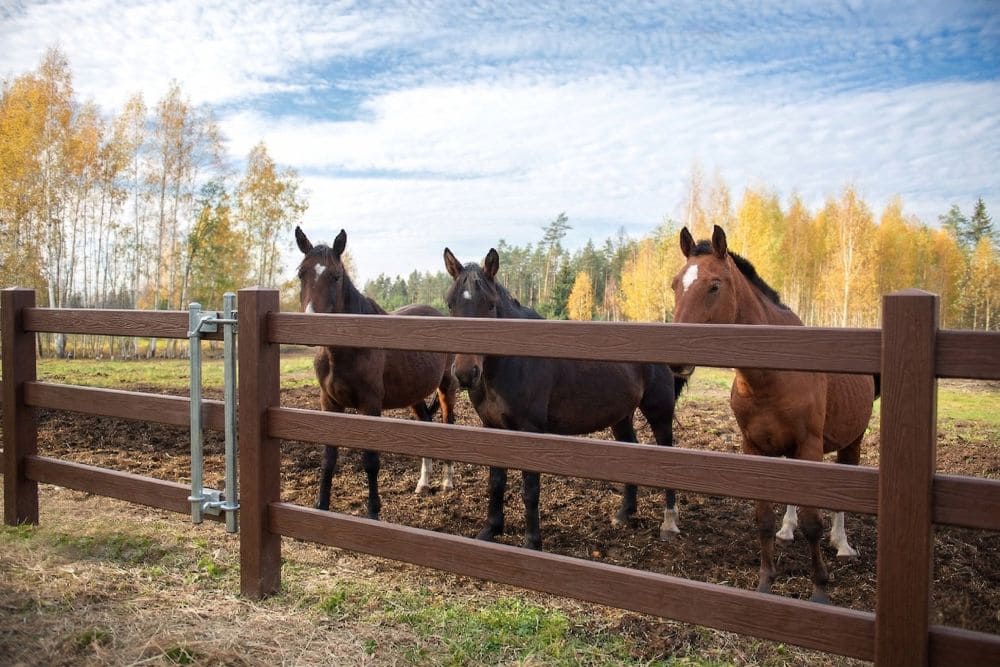
9 Design & Safety Considerations for Horse Arena Fencing
When designing a horse arena, it’s crucial to think about not just the material of the fence but also how the fence is designed and how it will affect the safety and functionality of the arena. Here are some essential design and safety features to keep in mind when planning your horse arena fencing.
1. Corners
Corners are often the most overlooked part of a horse arena’s fence design, yet they are crucial for both the safety of the horses and the smooth operation of the arena. Sharp, abrupt corners can cause anxiety and confusion for horses, leading to sudden, potentially dangerous movements. Horses can be spooked or caught off guard if the corners are too tight or the angles are too sharp.
Smooth, Rounded Corners
Designing corners with smooth, gentle curves helps horses navigate around them comfortably, reducing the chance of accidents. A rounded corner design allows horses to maintain a steady, consistent pace, preventing the tendency to jerk or lunge suddenly when approaching the fence.
Wider Corners for Better Movement
In addition to smooth transitions, wider corners are preferable. The more room a horse has to move, the less likely they are to feel trapped or panicked. This approach also benefits riders, as they won’t have to deal with sudden turns or sharp angles that could destabilize their control.
Visibility in Corners
It’s important that horses and riders can clearly see the corners. A fence material that allows for greater visibility, such as HDPE or vinyl, can help make sure that horses are aware of their boundaries, even in the less visible areas like corners.
2. Visibility
Visibility plays a key role in both horse and rider safety. Horses need to clearly see the boundaries of the arena so they can navigate the space safely and effectively. In addition, riders need to be able to assess the layout and shape of the arena, especially when performing maneuvers or training exercises.
Transparent or Lighter Materials
Fencing materials such as HDPE or vinyl are ideal for providing better visibility. They allow light to pass through and prevent blind spots so horses can easily see the boundaries of the arena from any angle.
Color Considerations
Lighter colors tend to be more visible than dark ones, particularly under low-light conditions. In general, a white or light-colored fence will stand out more clearly, especially during dawn or dusk when the light is dim. Avoid using dark wood or materials that might blend in with the surrounding environment and make it harder for horses to discern where the boundaries are.
3. Height
The height of your riding arena fence plays a critical role in ensuring the safety of both horses and riders. A fence that is too short may allow horses to escape, while a fence that is too high can cause unnecessary stress or anxiety for the animals. Finding the right balance is key to creating a secure and comfortable environment for training and events.
Standard Fence Heights
Generally, a fence height of 4.5 to 5 feet is sufficient for most horses. Smaller breeds or horses that are less prone to jumping may do well with a fence at the lower end of this range. However, for larger breeds or horses with higher energy levels, a fence height of 5.5 to 6 feet is recommended. This height helps prevent horses from attempting to leap over the fence, especially if they are easily spooked or playful.
Height Variations Based on Use
If your arena is used for specific disciplines such as jumping or reining, taller fences may be necessary to contain the horses securely. Additionally, if the arena is in a location with higher winds or larger breeds, increasing the fence height could provide more protection and security.
Mental Impact of Height
Taller fences can sometimes cause psychological stress for horses. They may feel confined or threatened if the fence is too high, which could result in anxious or agitated behavior. The goal is to have a fence high enough to contain the horses safely without creating a barrier that induces fear. A well-designed fence with the appropriate height can give horses a sense of security without overwhelming them.
4. Gates
Gates provide access to the arena and should be designed with both functionality and security in mind. Proper gate placement and design are vital for smooth operation, while ensuring safety for both horses and people.
Ease of Access
Gates should be wide enough to accommodate the movement of horses and equipment. A standard gate width of 12 to 16 feet is generally recommended for arenas that require vehicle access. Gates also need to be positioned in strategic locations, such as at the main entrance to the arena and near areas where horses are typically loaded and unloaded.
Secure Locking Mechanisms
Safety is paramount when choosing a gate. A secure, reliable locking mechanism will help prevent unauthorized access and keep the gate securely closed at all times. Latches should be strong and easy to operate but difficult for horses or unauthorized individuals to open.
Gate Materials
The material of the gate should match the fencing material for consistency and strength. For example, if the arena features HDPE fencing, it’s a good idea to choose a sturdy HDPE or steel gate for optimal security. It’s also important to select gates that are resistant to wear and tear, especially in high-traffic areas where horses or vehicles frequently pass through.
Maintenance of Gates
Like the rest of the fence, gates require regular inspection and maintenance. Over time, hinges and locks may wear out, requiring repair or replacement. Gates that open and close smoothly and securely are critical to both safety and convenience.
5. Maintenance
When selecting a fencing material, consider not just its appearance but also its maintenance needs. Some materials require significantly more upkeep than others, which can translate to higher long-term costs.
Low Maintenance Options
Materials like HDPE and vinyl are ideal for low maintenance arenas. These materials require minimal care—no need for repainting, sealing, or replacing damaged boards. HDPE, for example, maintains its appearance and functionality for years without frequent repairs. This feature is especially important for horse owners who don’t want to spend a lot of time and money on upkeep.
Wood & Steel Pipe Maintenance
Wood fences require the most frequent maintenance. They need to be inspected regularly for rot, splinters, and insect damage. These fences also require periodic painting or staining to protect them from the elements. Steel pipe fences, while durable, can rust if not properly coated and maintained. Regular rust checks and treatments are necessary to extend the lifespan of steel pipe fencing.
Cleaning
Dirt, mud, and debris can accumulate on any type of fence. Regular cleaning will help maintain the aesthetic appeal and function of the fence. Vinyl and HDPE fences are the easiest to clean, typically requiring only a power wash. Wood fences may need to be scrubbed or repainted to remove dirt or moss buildup.
6. Aesthetics
The look of your fence contributes to the overall atmosphere of your horse arena and should complement the surrounding environment. An attractive fence enhances the appeal of the property while serving its functional purpose. The aesthetic choice of material can also affect your arena’s value.
Material Appearance
Wood offers a natural, rustic look that many horse owners prefer, providing a traditional feel to the arena. HDPE, while more modern, comes in a variety of colors and can be customized to suit your desired aesthetic. Vinyl fences offer a sleek, contemporary look and can be molded to resemble the appearance of wood while providing a more uniform and clean finish.
Design Consistency
Make sure the design of your fence complements the style of your arena and property. For example, if you have a more contemporary arena with a modern design, vinyl or HDPE may better suit the surroundings. On the other hand, a traditional arena with natural surroundings may look best with wood fencing that blends seamlessly with the environment.
Visual Appeal in Larger Areas
If your arena is large or in a highly visible location, consider how the fence will appear from different perspectives. Fencing materials that are uniform in appearance, like HDPE or vinyl, can provide a clean and streamlined look, while materials like wood may have more of a rustic or “organic” appearance that blends with the natural landscape. Both options can be aesthetically pleasing, depending on your preferences.
7. Durability
Durability is a crucial factor in fence design. A durable fence stands up to the elements, the wear and tear of everyday use, and any unexpected impacts from horses. The right material will minimize the need for repairs and replacements, offering long-term peace of mind.
Material Strength
HDPE and steel pipe fencing are both incredibly durable and can handle heavy impacts from horses or equipment. Steel pipe fencing is particularly suited for areas where high-impact activities take place, such as in training areas with more active horses. On the other hand, vinyl is highly resistant to weathering but may crack under extreme impact, especially in colder climates.
Environmental Resistance
Fences exposed to harsh conditions, such as high winds, heavy rain, or extreme sun, require materials that are resistant to wear. Vinyl and HDPE are highly resistant to UV rays, so they’re an excellent choice for sunny climates where other materials might degrade more quickly.
Long-Term Investment
Investing in a durable fence upfront reduces long-term maintenance costs and minimizes the need for frequent repairs. Materials like HDPE and steel pipe are built to last and provide long-term security for your horse arena without the hassle of constant upkeep.
8. Lighting
Proper lighting around the horse arena fence is a requirement for nighttime training or events. Well-placed lighting supports safety for both horses and riders and helps prevent accidents in low-light conditions.
Lighting Placement
Install lights at strategic points around the fence, particularly near gates, corners, and areas where horses are likely to move quickly. Confirm that the lights are directed properly to illuminate the arena without causing glare or discomfort to the horses.
Types of Lighting
Consider using LED lights for their energy efficiency and long lifespan. Solar-powered lights can also be a good choice for arenas in rural or off-grid areas. However, make sure the lights are bright enough to allow clear visibility but not so intense that they cause distractions for the horses or riders.
Safety & Security
Good lighting not only aids visibility but also enhances the overall security of the arena. It helps deter unauthorized access and makes it easier to monitor the perimeter at night.
9. Safety Features
Safety is paramount when choosing the right fence for your horse arena. A well-designed fence minimizes the risk of injury to both horses and riders, supporting a safe environment for training and events.
Rounded Edges
Fences with rounded edges or smooth surfaces reduce the risk of injury if a horse comes into contact with the fence. Sharp corners or rough edges, such as those found on poorly maintained wood or metal fences, can cause painful cuts or bruises.
Non-Toxic Materials
Choose materials that are non-toxic, particularly for horses that might chew on the fence. HDPE, for instance, is a safe, non-toxic material, unlike some treated wood or painted fences that could pose a health risk if ingested.
Impact Resistance
Some materials, like HDPE and steel, are more forgiving upon impact, providing a safer environment for horses that might try to charge through or bump against the fence. Vinyl and wood, while durable, may crack or splinter under heavy pressure, which creates additional hazards.
Why HDPE Horse Arena Fencing Is the Best Option
For horse owners looking for a reliable, safe, and low-maintenance fencing solution, HDPE is the clear choice. It combines the best features of traditional materials with modern innovations, making it the best option for equestrian arenas.
Unmatched Durability & Longevity
The primary reason many equestrian professionals prefer HDPE for horse arena fencing is its long-lasting durability. HDPE is designed to endure tough outdoor conditions while maintaining its strength and integrity through years of use. Unlike wood, which can succumb to rot, or vinyl, which is prone to cracking under pressure, HDPE stands up to harsh weather conditions—intense sun, rain, freezing temperatures, etc. Its resistance to UV damage means the fence doesn’t degrade or discolor over time.
Together, these features make HDPE fencing a reliable investment for horse arenas that require a fence to perform at a high level year after year, with minimal repairs or replacements.
Low Maintenance & Cost Efficiency
HDPE’s low maintenance nature is another major benefit.
Horse owners are often faced with the challenge of regularly maintaining their fences, from repainting wood or sealing vinyl to checking steel for rust. With HDPE, this concern is eliminated. There’s no need for frequent upkeep such as painting or treating, and you won’t have to worry about splinters, rotting, or fading. This ease of care means less time and money spent on repairs, providing significant long-term cost savings.
The initial investment in HDPE may be slightly higher than some other materials, but the overall savings on maintenance make it an excellent cost-effective choice in the long run.
Aesthetic Appeal & Versatility
In addition to its practical advantages, HDPE offers aesthetic flexibility. While some horse owners may prefer the traditional charm of wood, HDPE can still be customized to match a variety of design preferences.
Available in multiple colors and styles, HDPE can be adapted to suit modern, sleek arenas or traditional, natural settings. The versatility of HDPE allows for a clean and professional appearance that enhances the overall look of your property without sacrificing functionality.
Enhanced Safety Features
Safety is always a priority when it comes to horse arena fencing, and HDPE delivers on this front. The material’s safety features, combined with its high impact resistance, create a secure environment where horses can exercise, train, and compete without the added worry of injury from their surroundings.
Unlike metal or wood fences, HDPE doesn’t present sharp edges or splinters, which are common safety hazards for both horses and riders. Horses are naturally inclined to chew on fences, and traditional materials like wood or steel can pose a risk of injury due to their rough surfaces or the potential for sharp points. HDPE offers a smooth, safe surface that minimizes these risks, ensuring a safer environment for both your horses and anyone interacting with the arena.
Moreover, HDPE is non-toxic, unlike some treated woods or painted surfaces, so it’s a safe choice if horses are likely to come into contact with the material.
Environmental Resistance & Weather-Proofing
Another reason HDPE is favored for horse arena fencing is its resilience to environmental factors. It’s impervious to moisture, meaning it won’t rot or warp in humid or rainy climates, unlike wood. Additionally, it doesn’t suffer from the same fading or discoloration that can affect vinyl or wood when exposed to prolonged sunlight.
Whether your arena is situated in a sunny, dry area or a more temperate, rainy region, HDPE will maintain its integrity and appearance without requiring constant care.
HDPE is also highly resistant to common issues such as insect damage and mold growth, which can be problematic for wood fences. Its ability to withstand various weather conditions without weakening means your fence will continue to provide effective containment and security, regardless of climate.
Horse Arena Fencing Options: FAQs
What Are the Different Types of Horse Arena Fencing Materials?
There are several types of fencing materials commonly used for horse arenas, including HDPE, wood, vinyl, steel pipe, and electric fencing. HDPE is becoming an especially popular choice due to its durability and low maintenance.
How Tall Should My Horse Arena Fence Be?
The height of your horse arena fence depends on the size and behavior of the horses. For most horses, a fence height of 4.5 to 5 feet is sufficient. However, larger or more energetic breeds may require a fence height of 5.5 to 6 feet to prevent them from jumping over. If your arena is used for specific activities like jumping, consider a taller fence to provide added security.
Is HDPE Fencing Safe for Horses?
Yes, HDPE fencing is highly safe for horses. It is smooth with no sharp edges or splinters, reducing the risk of injury. Additionally, it’s non-toxic, unlike some treated woods or painted surfaces. HDPE also resists impact well, so horses that push against or run into the fence are less likely to suffer injury.
How Do I Maintain HDPE Horse Arena Fencing?
One of the major advantages of HDPE fencing is its low-maintenance nature. It doesn’t require regular painting, sealing, or repairs like wood fencing. Cleaning is simple with a power washer or hose, and occasional checks for damage (which is rare) are all that is needed. These features make HDPE a highly convenient option for busy horse owners.
What Is the Cost of HDPE Fencing for Horse Arenas?
The cost of HDPE fencing can vary depending on factors like the size of your arena, the height of the fence, and the complexity of installation. While the initial investment may be higher than wood or vinyl, HDPE’s durability and low maintenance nature make it cost-effective in the long run. Over time, the savings on repairs and upkeep can offset the higher upfront cost.
Can HDPE Fencing Be Used for Large Horse Arenas?
Yes, HDPE fencing is ideal for both small and large horse arenas. Its durability, ability to withstand impact, and resistance to weathering make it perfect for large spaces where horses are more active. HDPE can also be customized to suit different arena designs, making it versatile for any size or shape of arena.
Find the Best Horse Arena Fencing Options at Derby Fence
Choosing the right fencing material for your horse arena is an important decision. However, while there are several materials to choose from, HDPE stands out as the top choice due to its durability, safety, and minimal maintenance requirements. By investing in a high-quality fence like HDPE, you can create a secure and attractive environment for your horses and riders.
Ready to upgrade your horse arena fencing? Contact Derby Fence today for a free quote and personalized fencing consultation. Our team is here to help you create a safe, beautiful, and long-lasting environment with the highest-quality HDPE arena fencing on the market.