


One of the biggest selling points of HDPE fencing is how little it asks of you after installation. No painting. No staining. No rust treatment. No annual board replacement. For farms, ranches, equine facilities, and livestock properties, that’s a meaningful advantage over traditional fencing materials that turn into recurring maintenance projects year after year.
But low maintenance doesn’t mean no maintenance. Even the most durable fencing benefits from periodic attention—a visual inspection here, a rinse-down there, a quick check before winter sets in. The difference with HDPE is that those tasks are simple, fast, and don’t require any special products or professional help.
This guide covers everything you need to know to keep your HDPE fencing performing at its best. We’ll walk through practical fence maintenance tips, a complete fencing maintenance checklist organized by task type and season, and answers to the most common questions property owners have about caring for HDPE fencing over the long term.
Why Maintaining Your HDPE Fence Still Matters
HDPE fencing is engineered to resist the things that cause other fencing materials to fail. It doesn’t absorb moisture, so it won’t rot or warp. It doesn’t have a surface coating, so there’s nothing to chip, peel, or rust. The color runs through the entire material, so UV exposure doesn’t fade it the way it fades painted wood or vinyl. Derby Fence HDPE is also rated to -60°F, which means it stays flexible and structurally sound even in the harshest winter conditions.
So why maintain it at all?
A few reasons.
- Dirt, algae, and organic buildup can accumulate on any outdoor surface over time. On HDPE fencing, that buildup is purely cosmetic and won’t damage the material—but a clean fence looks better and reflects better on the property.
- Regular inspections let you catch minor issues before they become bigger ones. A post that’s shifted slightly after a frost, a rail that took a hard hit from a piece of equipment, a gate hinge that’s working loose—those are easy fixes when you catch them early.
- For farms and livestock properties specifically, the fence is a critical safety system. Keeping it in good condition isn’t just about aesthetics. It’s about making sure your animals stay contained and your property stays secure.
HDPE Fence Cleaning Tips
Cleaning is the most common maintenance task for HDPE fencing, and the good news is that it’s straightforward. The non-porous surface of HDPE doesn’t absorb dirt, stains, or organic material the way wood does, which means most buildup wipes or rinses away without much effort.
What You’ll Need
You don’t need specialty products or chemicals to clean HDPE fencing. In most cases, the following is all it takes:
- Garden hose or pressure washer (low to medium setting)
- Mild dish soap or a general-purpose outdoor cleaner
- Soft-bristle brush or sponge
- Clean water for rinsing
Avoid harsh solvents, bleach-heavy products, or abrasive scrubbing pads. While HDPE is a tough, chemical-resistant material, aggressive chemicals aren’t necessary.
Routine Cleaning (As Needed)
For general dirt, dust, and light debris, a garden hose rinse is usually enough. Run water along the rails and posts from top to bottom and let it drain. For properties with animals, you may want to do this more frequently in high-contact areas where mud, manure, or feed residue can accumulate.
Deeper Cleaning (1-2 Times Per Year)
For more stubborn buildup—algae, mildew, or heavy mud—a soft brush with mild soap works well. Wet the fence first, apply your cleaning solution, scrub lightly, and rinse thoroughly. A low-pressure setting on a pressure washer also works well for larger fence runs, especially on farms and ranches where you’re dealing with hundreds or thousands of linear feet.
A few things to keep in mind:
- Work from top to bottom so dirty water doesn’t re-soil areas you’ve already cleaned
- Pay extra attention to the base of posts where soil contact can cause organic buildup
- Rinse completely—soap residue left on the surface can attract more dirt
Removing Specific Stains
Stain Type | Recommended Approach |
Mud and dirt | Rinse with hose; brush if dried |
Algae or mildew | Mild soap and soft brush; rinse well |
Tree sap or pitch | Warm water and mild soap; let soak briefly |
Grease or oil | Small amount of dish soap applied directly |
Scuff marks | Damp cloth with mild cleaner |
Most stains on HDPE fencing come off without much effort. If something doesn’t come off with soap and water, consult Derby Fence before using any solvent-based cleaner to make sure it’s compatible with the material.
HDPE Fence Inspection Checklist
Regular inspections are the most important fence maintenance habit you can build, regardless of the material. For HDPE fencing, inspections are quick because there’s no rust to look for, no rot to probe, and no paint to evaluate. But there are still things worth checking, especially after severe weather, heavy livestock activity, or any kind of equipment work near the fence line.
A thorough inspection twice a year—once in spring and once in fall—is a solid baseline for most properties. Walk the entire fence line and work through the following checklist.
Posts
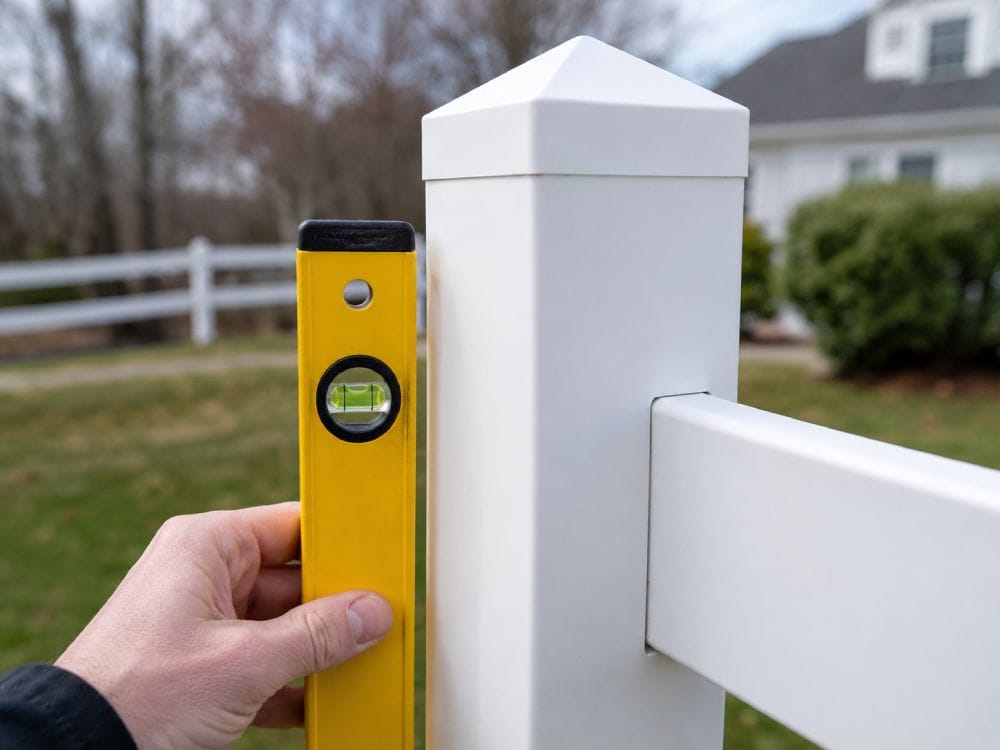
- Posts are plumb (straight up and down) and not leaning
- Posts are firmly set and don’t rock or shift when pressure is applied
- Ground around post bases is stable with no significant erosion or heaving
- Post caps are in place and secure
- No evidence of significant impact damage that has shifted post alignment
Rails
- All rails are seated properly in post brackets or sleeves
- No rails have been knocked loose or displaced by livestock or equipment
- Rails are free of deep gouges, cracks, or deformation from heavy impact
- Rail spacing is consistent along the fence line with no large gaps
- No sharp edges or protrusions that could injure animals
Hardware & Fasteners
- Brackets, clips, and fasteners are tight and in place
- No missing hardware along the fence run
- Fasteners show no signs of rust or corrosion
- Any decorative caps or end pieces are secure
Gates
- Gate swings freely and opens/closes without binding
- Hinges are tight and properly aligned
- Latch engages cleanly and holds securely
- Gate frame is square and hasn’t sagged or shifted
- No excessive play or wobble when the gate is in the closed position
- Gate post is solid and hasn’t shifted under the weight of the gate over time
Fence Line & Surroundings
- Vegetation along the fence line is trimmed back and not putting pressure on rails or posts
- No debris, fallen limbs, or equipment resting against the fence
- Drainage around posts is adequate with no standing water pooling at the base
- No erosion along the fence line that could undermine post stability
- Fence line is clear of any wire, rope, or material that could tangle animals
Seasonal Fence Care Tips
One of the real advantages of HDPE fencing is that it doesn’t require a seasonal maintenance routine the way other materials do. You won’t be painting before summer or treating for rot before winter. That said, each season brings different conditions, and a quick walk-through at the start of each one keeps your fence in top shape year-round.
Spring
Spring is the best time for your most thorough annual inspection. Winter weather, freeze-thaw cycles, and wet conditions can shift ground, loosen posts, and expose any weak points in the fence line.
Spring fence care checklist:
- Walk the full fence line after the ground has thawed and settled
- Check post alignment—frost heave can push posts out of plumb in colder climates
- Clear any debris, fallen branches, or winter accumulation from around the fence
- Inspect gates and hardware after winter stress
- Trim back any vegetation that has grown into or against the fence during the off-season
- Rinse down the entire fence to remove winter dirt, salt spray, and any algae that developed during wet months
Summer
Summer is generally the lowest-demand season for HDPE fencing. The material handles heat and UV exposure without issue, and there’s no painting or sealing required. The main focus in summer is keeping the area around the fence clear and doing a quick visual check after any significant weather events.
Summer fence care checklist:
- Spot-check the fence after any major storms, high winds, or flooding
- Rinse down high-contact areas in paddocks, arenas, or corrals as needed
- Check gate latches and hinges mid-season, especially on gates that see heavy daily use
- Keep vegetation trimmed along the fence line—overgrowth can put pressure on rails and reduce visibility for livestock management
Fall
Fall is the second most important inspection window of the year. Before cold weather sets in, it’s worth doing a full walk of the fence line to identify and address anything that could become a problem over winter.
Fall fence care checklist:
- Complete a full inspection using the checklist above
- Tighten any loose hardware before freeze-thaw cycles put additional stress on connections
- Check drainage around posts—standing water that freezes can shift post positions over winter
- Inspect gates and make any adjustments before cold weather makes hardware harder to work with
- Clear the fence line of leaves, debris, and any organic material that can trap moisture around post bases
Winter
HDPE fencing is rated to -60°F and handles cold weather better than any other common fencing material. It won’t become brittle, crack, or require any special winterization. That said, a few simple habits during winter help protect the fence and the animals it contains.
Winter fence care checklist:
- After significant snowfall or ice storms, do a visual check for any rails that may have been displaced by heavy snow load or equipment clearing nearby
- Avoid using metal scrapers or sharp tools to remove ice from HDPE rails
- Keep snow cleared from gate areas so latches can operate properly
- Monitor any areas where livestock tend to congregate along the fence in cold weather
Additional Fence Maintenance Tips for HDPE Fencing
Beyond the core cleaning and inspection routine, a few practical habits make a real difference in how well your HDPE fencing holds up over time. These aren’t complicated tasks—they’re the kind of things that take a few minutes but add up to years of better performance.
Keep Vegetation Under Control
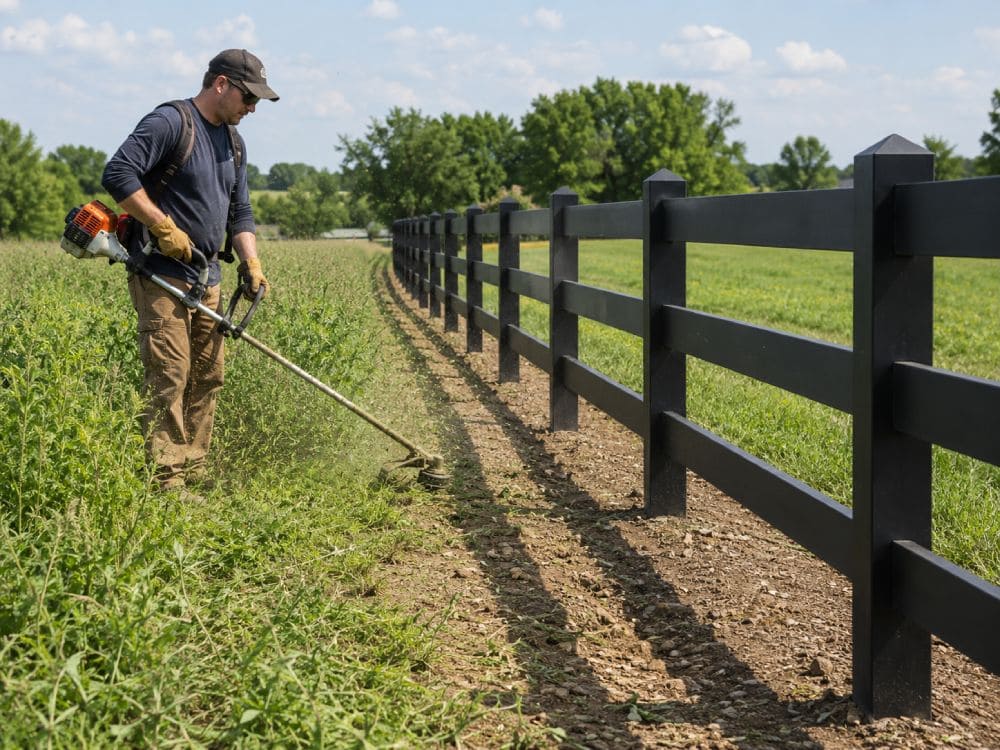
This is the fence maintenance tip that gets overlooked most often. Grass, weeds, vines, and brush growing into or along the fence line don’t just look unkind—they can hold moisture against post bases, put lateral pressure on rails, and make it harder to spot problems during inspections. Keeping a clear buffer of a foot or two on each side of the fence line makes every other maintenance task easier.
Pay Attention to High-Contact Zones
Not all sections of a fence take the same amount of abuse. Corners, gate areas, and sections adjacent to feeding stations or water sources tend to see the most animal contact. These spots are worth checking more frequently than the rest of the fence run. If you notice consistent wear patterns in a particular area, it may be worth evaluating whether the fence layout or animal management practices can reduce that contact point.
Document Your Inspections
For larger properties with significant fence runs, keeping a simple log of your inspections is genuinely useful. Note the date, what you checked, and anything you found or repaired. It doesn’t have to be elaborate—a notebook or a note on your phone works fine. Over time, that record helps you spot patterns, plan ahead for any repairs, and demonstrate proper care if you’re ever dealing with a warranty question.
How HDPE Maintenance Compares to Other Fencing Materials
To put the HDPE maintenance picture in perspective, it helps to see how it stacks up against the alternatives. Property owners who have managed wood, metal, or vinyl fencing before switching to HDPE often describe the difference as significant.
Fencing Material | Annual Maintenance Tasks | Seasonal Requirements | Lifespan |
Wood | Painting/staining, board replacement, pest treatment, hardware tightening | Pre-winter sealing, spring rot inspection | 10-15 years |
Vinyl/PVC | Cleaning, panel replacement when brittle, UV fading management | Monitor for cold-weather cracking | 10-15 years |
Metal/Pipe | Rust treatment, repainting, wire tightening, joint inspection | Pre-winter coating check | 15-25 years |
HDPE | Occasional cleaning, hardware check | Bi-annual inspection walk | 30+ years |
The contrast is clear. Metal and wood fencing require ongoing, labor-intensive maintenance that adds up significantly across large fence runs. Vinyl and PVC fencing are lighter on upkeep but introduce brittleness and impact failure concerns that create their own repair demands. HDPE sits in a category by itself: the maintenance list is short, the tasks are simple, and the material doesn’t degrade in ways that require escalating attention over time.
FAQs About HDPE Fence Maintenance
How often should I clean my HDPE fence?
For most properties, a full rinse-down once or twice a year is sufficient. Properties with livestock in close contact with the fence may want to rinse high-contact sections more frequently. The non-porous surface of HDPE means dirt doesn’t penetrate, so cleaning is always a surface-level task.
Does HDPE fencing need to be painted or sealed?
No. HDPE fencing does not require painting, staining, or sealing at any point in its lifespan. The color is manufactured into the material itself, and UV stabilizers are built in to protect against sun exposure. There is no surface coating to maintain, chip, or reapply.
What should I do if a rail gets knocked out of place?
HDPE rails are designed to flex under impact and return to shape. If a rail has been knocked loose from its bracket or sleeve, reseat it and check that the hardware is secure. In most cases, minor displacement is an easy fix.
How do I know if a post needs to be reset?
Check whether the post is plumb (straight) and whether it moves when you apply hand pressure. A post that leans noticeably or shifts when pushed is a sign that it needs to be reset. This is most common after significant frost heave, flooding, or a major impact event. It’s worth checking posts in spring after the ground has fully thawed and settled.
How long does HDPE fencing last with proper maintenance?
HDPE fencing is engineered for long-term performance. Derby Fence backs our fencing with a 20-year limited warranty, and the material is designed to maintain its structural integrity and appearance well beyond that timeframe under normal conditions. With basic maintenance, HDPE fencing can easily last 30 years or more.
Keep Your HDPE Fence Performing for Decades
HDPE fencing is built to last, and the maintenance required to keep it that way is genuinely minimal compared to any other fencing material. No painting. No staining. No rust treatment. No seasonal prep work that takes up a full weekend. For farms, ranches, equine facilities, and livestock properties, that’s not a small thing—it’s hours of labor saved every year, multiplied across the life of the fence.
The fence maintenance tips and fencing maintenance checklist in this guide give you a practical framework for staying on top of your HDPE fence without overcomplicating it. Clean it when it needs cleaning. Walk it twice a year. Keep the hardware tight and the vegetation trimmed. That’s the core of it.
Done consistently, those simple habits protect a significant investment and keep your property looking the way it should—clean, well-maintained, and built to last.
Ready to invest in fencing that makes maintenance this easy? Contact Derby Fence today for a free quote and personalized consultation. Our team can help you find the right HDPE fencing solution for your property, your animals, and your long-term goals.