

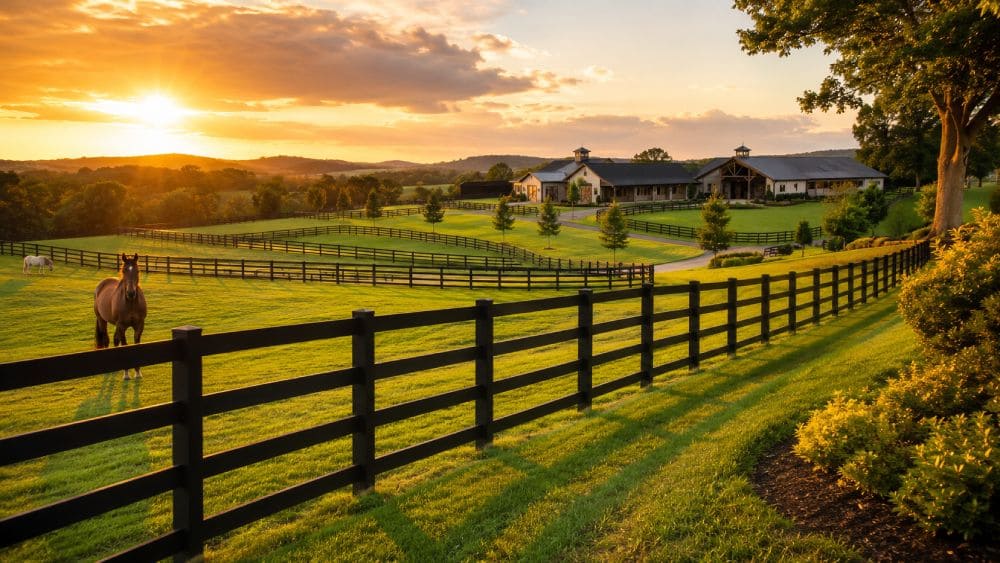
HDPE (High-Density Polyethylene) fencing is becoming a widely adopted solution in agriculture, ranching, equestrian facilities, and rural property management. It is valued for its durability, flexibility, and long service life compared to traditional fencing materials such as wood, vinyl, and metal.
Despite these advantages, HDPE fencing is still surrounded by misconceptions that influence purchasing decisions. Many of these myths come from outdated assumptions about plastic materials rather than the performance of modern engineered HDPE systems.
This article breaks down the most common misconceptions about HDPE fencing and provides clear, practical explanations to help property owners make informed decisions based on performance, not perception.
11 Common Myths About HDPE Fencing (& the Reality Behind Them)
Myth 1: HDPE Fencing Isn’t as Durable as Wood or Metal
The Reality
HDPE fencing is engineered for long-term durability in demanding outdoor environments where traditional materials often fail. Unlike wood, which is vulnerable to rot, warping, cracking, and insect damage, or metal, which can rust and weaken over time, HDPE is designed to maintain structural integrity under constant environmental stress.
Rather than behaving like rigid materials that break under pressure, HDPE fencing is designed with flexibility in mind. It can absorb impact and return to shape instead of snapping, splintering, or permanently deforming.
Why It Matters
In agricultural settings, fencing is constantly exposed to livestock pressure, shifting temperatures, moisture, and accidental impact from equipment or animals. HDPE fencing reduces common failure points that typically lead to costly repairs or full replacements in traditional systems. This translates into longer service life and more consistent performance over time.
Myth 2: HDPE Fencing Is Just Weak Plastic
The Reality
HDPE fencing is often misunderstood as being comparable to low-grade consumer plastics, but this comparison is inaccurate. HDPE is an engineered thermoplastic designed specifically for strength, resilience, and outdoor performance in demanding environments.
Its molecular structure gives it a unique balance of rigidity and flexibility. It is strong enough to maintain shape under pressure while flexible enough to absorb force without breaking.
Why It Matters
This distinction is important because it explains why HDPE fencing performs reliably in agricultural and rural applications where weaker materials would fail quickly. It is not a temporary plastic product—it is a structural material designed for long-term outdoor use under continuous stress.
Myth 3: HDPE Fencing Becomes Brittle in Cold Weather
The Reality
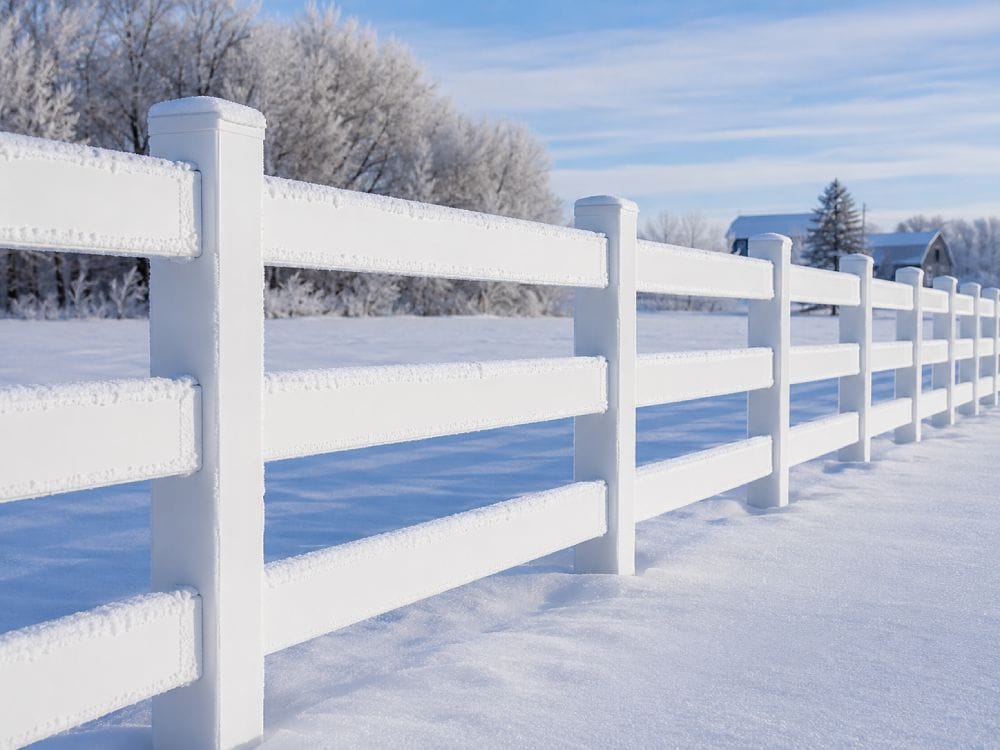
HDPE fencing is designed to perform across a wide temperature range, including freezing conditions. Unlike materials that become brittle and prone to cracking in cold weather, HDPE maintains flexibility even in low temperatures.
Instead of hardening under cold stress, HDPE continues to flex and absorb impact. This reduces the likelihood of fractures or breakage during seasonal temperature swings or winter storms.
Why It Matters
For farms and ranches located in regions with harsh winters, fencing must remain functional year-round without seasonal degradation. HDPE fencing reduces cold-weather repair issues and maintains structural reliability when other materials are most vulnerable.
Myth 4: HDPE Fencing Is Not Sustainable
The Reality
HDPE fencing is typically manufactured using recycled plastics, including post-consumer and industrial materials. This helps divert plastic waste from landfills and repurpose it into long-lasting infrastructure.
In addition to recycled content, HDPE fencing contributes to sustainability through its extended service life. Because it does not require frequent replacement, it reduces long-term material consumption compared to shorter-lived fencing systems.
Why It Matters
Environmental impact is not determined only by raw material type but also by lifecycle efficiency. HDPE fencing reduces waste generation over time and minimizes the frequency of resource-intensive replacements, making it a more sustainable option in long-term use scenarios.
Myth 5: HDPE Fencing Requires Frequent Repairs
The Reality
HDPE fencing is designed to minimize maintenance and repair needs by eliminating many of the common failure mechanisms found in traditional fencing materials. It does not rot like wood, rust like metal, or splinter under stress.
Its flexibility also allows it to withstand impact without breaking, which significantly reduces the likelihood of structural damage during everyday use.
Why It Matters
Fewer repairs mean reduced labor costs, fewer interruptions to operations, and more reliable fencing performance over time. For large agricultural properties, this reduction in ongoing maintenance can have a significant operational impact.
Myth 6: HDPE Fencing Needs Painting or Sealing
The Reality
HDPE fencing does not require painting, staining, or sealing at any point in its lifespan. The color is integrated into the material during manufacturing, and UV stabilizers are included to help protect against sun exposure and fading.
Unlike wood, which requires regular treatment to maintain appearance and structural integrity, HDPE fencing is designed to remain stable without surface maintenance.
Why It Matters
This eliminates recurring maintenance cycles that consume time and labor. Property owners benefit from a fencing system that maintains both appearance and performance without ongoing upkeep requirements.
Myth 7: HDPE Fencing Looks Cheap
The Reality
Modern HDPE fencing is available in a wide range of styles, finishes, and colors designed to replicate traditional wood rail fencing or achieve a clean, modern aesthetic. It is engineered not only for performance but also for visual consistency and curb appeal.
Unlike wood, which fades, cracks, and splinters over time, HDPE fencing maintains a consistent appearance throughout its lifespan.
Why It Matters
Property presentation matters in both agricultural and residential settings. HDPE fencing allows property owners to achieve a clean, uniform look without the deterioration commonly associated with natural materials.
Myth 8: HDPE Fencing Is Expensive
The Reality
While HDPE fencing may have a higher initial installation cost compared to some traditional materials, it is designed to reduce long-term ownership costs. Its durability and minimal maintenance requirements significantly reduce ongoing expenses over time.
Traditional fencing systems often appear cheaper upfront but require frequent repairs, treatments, or replacements that accumulate over time.
Why It Matters
When evaluated over its full lifespan, HDPE fencing typically provides a lower total cost of ownership. This makes it a financially strategic investment rather than just a material choice.
Myth 9: HDPE Fencing Is Not Strong Enough for Livestock
The Reality
HDPE fencing is widely used in livestock and equestrian environments because it is specifically designed to flex under pressure rather than break. This flexibility allows it to withstand impact from horses, cattle, and other animals without forming sharp breakpoints.
It provides reliable containment while reducing injury risk associated with splintering or rigid breakage.
Why It Matters
Livestock safety is a critical concern in agricultural operations. HDPE fencing supports both containment effectiveness and animal safety, making it suitable for active environments.
Myth 10: HDPE Fencing Is High Maintenance
The Reality
HDPE fencing is one of the lowest-maintenance fencing options available. It does not require painting, sealing, rust treatment, or structural reinforcement under normal operating conditions. In most cases, occasional cleaning is sufficient to maintain its appearance.
Because it resists moisture, insects, and UV damage, it avoids many of the common degradation issues found in traditional fencing materials.
Why It Matters
Reduced maintenance frees up time and labor resources for other operational priorities. This is especially valuable for large properties where fencing spans significant distances.
Myth 11: HDPE Fencing Doesn’t Last Longer Than Traditional Materials
The Reality
HDPE fencing is designed for long-term performance and can last for decades depending on installation quality and environmental conditions. It resists UV degradation, moisture absorption, insect damage, and structural decay—all of which commonly shorten the lifespan of traditional fencing materials.
Instead of breaking down over time like wood or rusting like metal, HDPE maintains its structural integrity and appearance for many years.
Why It Matters
Longer lifespan means fewer replacements, lower long-term costs, and more predictable performance over time. This makes HDPE fencing a reliable investment for property owners seeking durability and stability.
Why HDPE Fencing Is Gaining Popularity in Agriculture
HDPE fencing continues to grow in adoption across farms and rural properties because it performs well under real agricultural conditions where fencing is constantly exposed to pressure, weather, and time. Its combination of flexibility and durability makes it particularly useful in livestock-heavy environments where safety and reliability matter.
It also reduces long-term labor demands, which is a major factor for large properties where maintenance time directly impacts operational efficiency.
Overall, the shift toward HDPE fencing reflects a broader trend in agriculture toward materials that reduce labor, increase safety, and deliver predictable long-term performance in demanding outdoor environments.
Separating Fact from Fiction in HDPE Fencing
HDPE fencing is often misunderstood due to outdated assumptions about plastic materials rather than its actual engineered performance. When evaluated in real-world agricultural and rural environments, it consistently proves to be durable, flexible, low-maintenance, and cost-effective over time.
By addressing these common myths, it becomes clear that HDPE fencing is not a compromise—it is a modern fencing solution designed to meet the demands of today’s agricultural operations. For property owners seeking long-term reliability and reduced maintenance demands, HDPE fencing offers a practical and forward-thinking alternative to traditional materials.
FAQs
Is HDPE fencing just another type of plastic fencing?
No. HDPE fencing is made from high-density polyethylene, which is an engineered material designed for structural outdoor use. Unlike low-grade plastics that become brittle or weak over time, HDPE is built to withstand long-term exposure to weather, UV rays, and physical impact without breaking down in the same way.
Why do some people think HDPE fencing isn’t as strong as wood or metal?
This misconception usually comes from the word “plastic.” Many people associate plastic with something lightweight or temporary. However, HDPE fencing is engineered for strength and flexibility, allowing it to absorb impact rather than crack or splinter like rigid materials such as wood or metal.
Does HDPE fencing perform differently in real farm or ranch conditions compared to traditional fencing?
Yes, and that difference is one of the main reasons it is growing in popularity. In real agricultural environments, fencing is constantly exposed to livestock pressure, weather changes, and impact. HDPE fencing is designed to flex under these conditions rather than fail.
If HDPE fencing is low maintenance, why is that often misunderstood?
It is often misunderstood because many people compare it directly to wood or metal fencing maintenance routines. HDPE does not require painting, staining, sealing, or rust treatment, so its maintenance needs are very minimal by comparison.
Is HDPE fencing a long-term investment or a short-term alternative?
HDPE fencing is designed as a long-term infrastructure material rather than a temporary solution. While the upfront cost can be higher than some traditional options, its extended lifespan and reduced maintenance needs often result in lower total cost over time, especially in agricultural applications. At Derby Fence, all of our fencing products come with a 20-year limited warranty.
Upgrade Your Property with HDPE Fencing Solutions from Derby Fence
If you’re considering upgrading your fencing system, Derby Fence can help you explore high-quality HDPE fencing solutions tailored to your property’s needs. Designed for strength, safety, and long-term performance, HDPE fencing offers a reliable alternative to traditional materials in demanding agricultural and rural environments.
Ready to upgrade your fencing system? Contact Derby Fence today to learn more about HDPE fencing options and get expert guidance on your next project.