Mike Landuyt is the President of Derby Fence and the driving force behind the company’s educational blog content. With more than 5 years of hands‑on experience in livestock containment and fencing, Mike has become an authority on designing solutions that ensure both animal safety and operational efficiency.
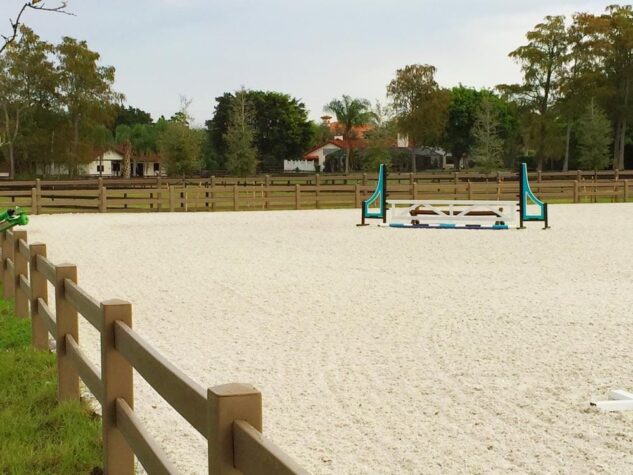
When designing a horse arena, most owners focus on footing, drainage, and layout. Fence height often feels like a secondary decision. But in reality, the height of your riding arena fence plays a major role in safety, performance, and long-term functionality. A fence that is too low may invite a bold horse to test the…
When it comes to outdoor fencing, constant sun exposure can take a serious toll. Over time, many traditional materials fade, become brittle, or weaken under harsh UV rays—leading to a worn appearance and frequent repairs. That’s where HDPE (high-density polyethylene) fencing stands apart. Engineered with built-in UV resistance, HDPE is designed to maintain its color,…
When it comes to outdoor fencing, weather can be your biggest challenge. From blistering summer heat to freezing winter storms, many materials warp, crack, or fade under pressure. That’s where HDPE (High-Density Polyethylene) fencing stands apart from the rest. Engineered for strength, flexibility, and durability, HDPE is built to handle extreme temperature changes without compromising…
Choosing the right fencing material plays a critical role in protecting your property, animals, and investments. While traditional wood fencing has long been a popular choice, modern alternatives like High-Density Polyethylene (HDPE) fencing are reshaping expectations around durability, safety, and long-term value. In this guide, we’ll compare HDPE fencing and traditional wood fencing across key…
Choosing the right pasture fencing is one of the most important decisions for any livestock owner or property manager. A well-built fence not only keeps animals safe and secure but also defines the layout of your property, protects your investment, provides aesthetic appeal, and saves you time and money over the long run. However, understanding…
Building a pasture fence is one of the most foundational improvements you can make to your property. It shapes how your animals move, how efficiently your land is used, and how much time and money you spend maintaining it. A poorly planned fence becomes a constant source of repairs, escape attempts, sagging rails, and unexpected…
Ask five ranchers what they paid for fencing and you’ll hear five different numbers—and five different stories—because the sticker price is only part of the picture. Terrain, layout, animal pressure, and long term upkeep can swing the real cost dramatically. If you’re planning to install a new fence or replace an older line, the smartest…
Ranch fencing is one of the most important investments a property owner can make. It safeguards livestock, establishes boundaries, enhances visual appeal, and adds value to the land. And if it strikes the right balance between practicality and beauty, a well-chosen fence can transform the way a ranch functions. The challenge lies in deciding which…
Your fence is the first thing people see and the last thing you want to worry about. Picture a clean entry with a wide, welcoming gate. The lines along your pasture are straight where they should be and gently curved where the land asks for it. Colors frame the views you love. Rail counts change…
There’s a reason ranch rail fences line long drives, wrap green pastures, and frame tidy paddocks on properties across the world: They bring order without shutting out the view, they’re effective and low maintenance, and they remain a classic, aesthetically pleasing choice. And they’re also adaptable. Simply changing the number of rails impacts the whole…