

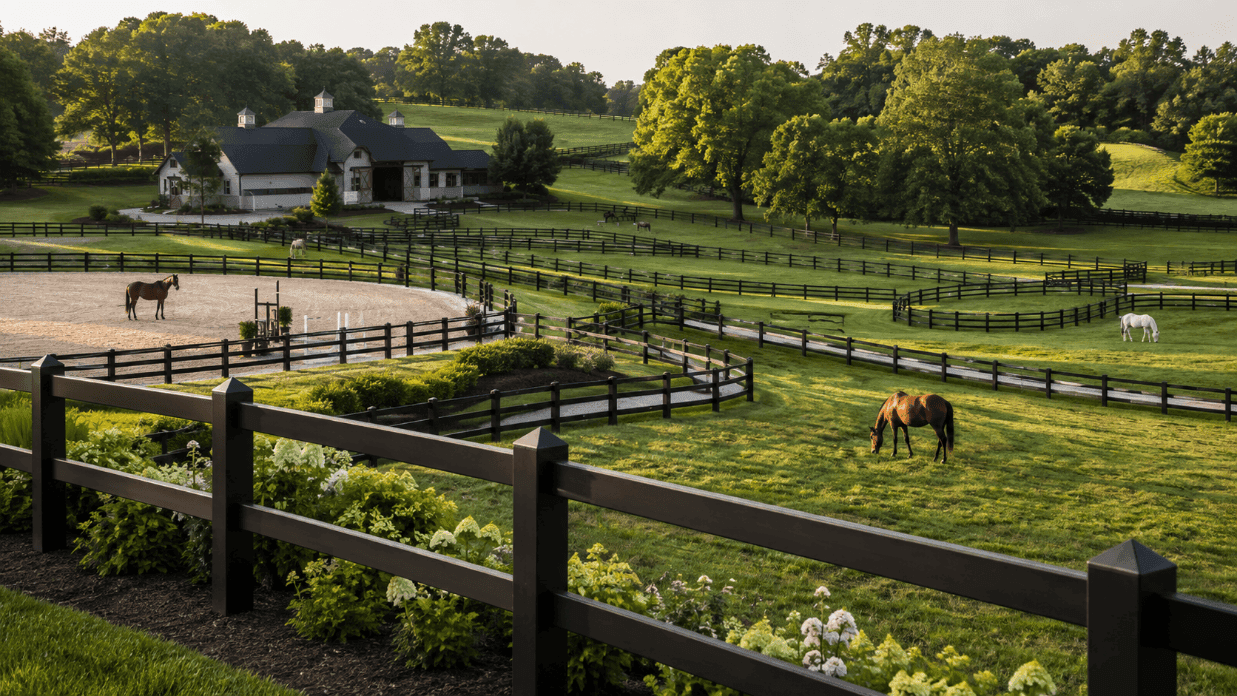
The equestrian world is evolving, and with it comes new priorities for horse owners in 2026. Modern equestrians are looking for fencing solutions that combine safety, functionality, and aesthetics while minimizing maintenance and long-term costs.
Traditional wood and vinyl fences are falling short of these expectations, leading many to explore high-density polyethylene (HDPE) as the next-generation solution. HDPE fencing not only delivers unmatched durability but also opens the door to creative, stylish, and sustainable ideas that align with the needs of today’s horse owners.
In this article, we’ll cover the most practical and forward-thinking horse fence ideas for 2026, including designs for arenas, paddocks, pastures, corrals, and more. We’ll walk through specific fencing ideas, tips for bringing your vision to life, and answers to the most common questions horse owners have when planning a fencing project. Whether you’re starting from scratch or upgrading an existing setup, this guide will help you make smarter decisions for your property and your horses.
In this guide:
- Why 2026 Is the Year for Smarter, Better Horse Fencing
- 13 Modern Fencing Ideas for Horses
- Tips for Bringing Your Horse Fencing Ideas to Life
- FAQs
Why 2026 Is the Year for Smarter, Better Horse Fencing
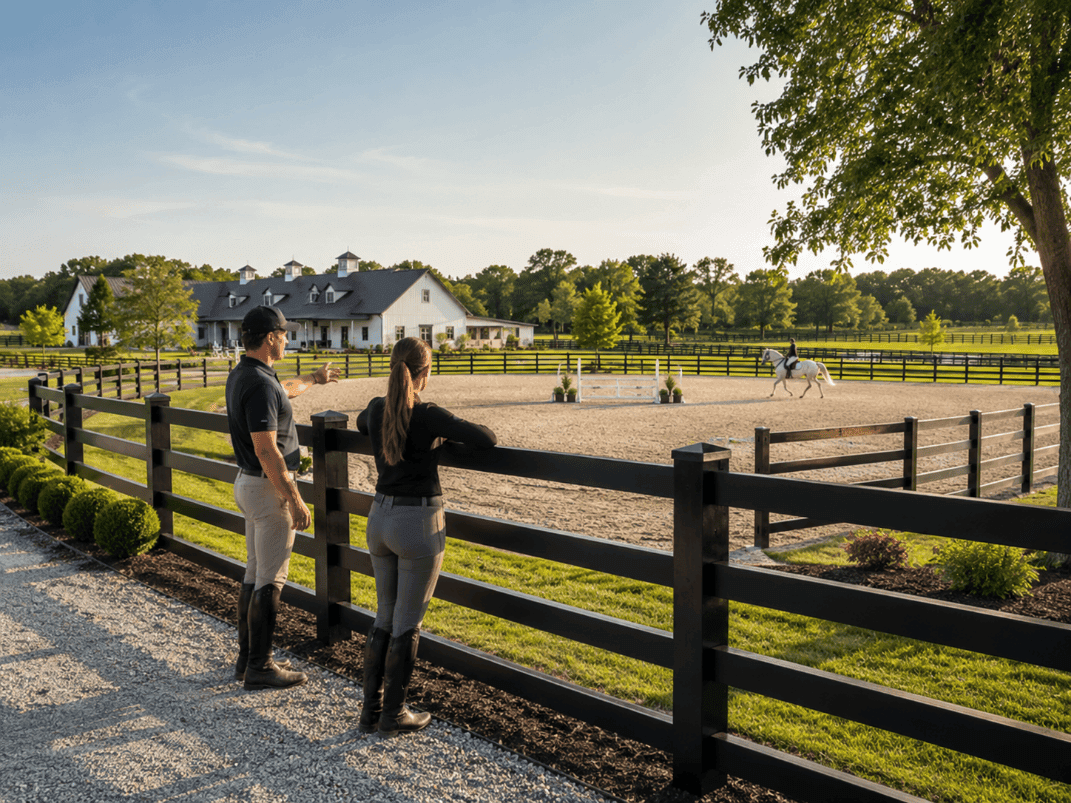 Horse fencing has traditionally been viewed as a basic necessity: strong rails that keep horses secure. But in 2026, the demands of equestrian life have changed. Rising maintenance costs, growing awareness of sustainability, and the need for safer, more attractive properties have shifted expectations. Today’s horse owners want fencing that enhances their farms visually, reduces long-term upkeep, and protects their horses without compromise.
That’s where HDPE fencing shines. Unlike wood, which warps and rots, or vinyl, which can crack and splinter, HDPE offers weather resistance, flexibility, and virtually maintenance-free performance. This makes HDPE horse fencing the clear solution for modern properties that want to balance tradition with innovation.
13 Modern Fencing Ideas for Horses
The future of horse fencing requires reimagining what fencing can do for both horses and their owners. From improved safety to cutting-edge style, HDPE opens up a world of possibilities.
Here are some of the most exciting ideas shaping horse fencing in 2026.
1. Multi-Zone Fencing Solutions
No two areas of a property are the same, and fencing shouldn’t be either. With HDPE, you can tailor your setup to match specific zones, like taller rails for turnout areas, lower fences for arenas, and secure boundaries for pastures. By creating a multi-zone layout, horse owners gain more control over how spaces are used, keeping horses safer while making properties more functional.
This level of customization is ideal for farms that host training, riding, and boarding all in one place.
2. Custom Color & Finish Options
Style has officially entered the fencing conversation. In 2026, horse owners are moving beyond plain white rails and experimenting with bold blacks, earthy browns, or natural tones that blend seamlessly into their landscapes.
HDPE fencing offers finishes that stay vibrant for decades without peeling or fading. Imagine a sleek black fence framing an arena or a warm, natural wood-tone look that complements rustic barns—all with the durability of HDPE. It opens the door to expressing your personality while maintaining a professional, polished property appearance.
3. Innovative Gate & Entryway Designs
The entrance to a paddock, pasture, or arena sets the tone for the entire property. Gates need to be wide, safe, and reliable, but they can also be a design feature.
With HDPE, gates won’t sag, warp, or weaken over time. Add-ons like decorative details, secure latching systems, and even smart gate technology make these entryways both functional and impressive. For larger properties, installing matching HDPE gates creates a cohesive look that blends durability with design.
4. Sustainable & Smart Fencing
As sustainability becomes a bigger focus in 2026, HDPE leads the way as an eco-friendly alternative to traditional materials. Made from recyclable components and designed for long-term use, HDPE fencing reduces waste by minimizing the need for replacements.
Looking ahead, horse owners can also integrate fencing into broader smart farm systems, such as sensors that monitor fence integrity or security systems that track access points. Fencing that works smarter is the future.
5. Practical Layouts for Modern Farms
A well-designed layout can transform how a property operates.
HDPE’s flexibility allows horse owners to design fences with custom heights and rail configurations to fit specific needs, whether separating pastures or creating safe zones for foals. Practical layouts streamline the flow of horses, equipment, and riders, reducing stress and increasing efficiency.
With thoughtful planning, fencing becomes a tool for both safety and convenience.
6. Modular & Expandable Fence Systems
Properties evolve, and so should their fences. Modular HDPE fencing gives horse owners the flexibility to expand or reconfigure enclosures as needs change. Adding new paddocks or expanding turnout areas becomes simple and efficient without sacrificing durability.
This adaptability is particularly valuable for growing equestrian businesses or properties that change with the seasons.
7. Integrated Lighting & Visibility Enhancements
Visibility matters, especially in low-light conditions. HDPE fencing can incorporate reflective finishes, solar-powered lighting, or strategically placed fixtures to keep horses and riders safe after dark.
Not only do these features improve functionality, but they also add a modern, upscale aesthetic to the property. Nighttime riding and late-night barn checks become safer and more convenient as well.
8. Horse Arena Fencing with a Polished, Professional Look
A well-fenced arena does more than define the riding space. It signals professionalism, improves horse focus, and creates a safer training environment.
Arena fencing built from HDPE won’t splinter or create sharp edges if a horse drifts toward the rail during a session. Bold, uniform color options—especially black or white—create a clear visual boundary that horses recognize, which helps them stay focused and respond better to rider cues. For competition barns and training facilities, a clean HDPE arena fence also makes a strong first impression on clients and visitors.
9. Paddock Fencing Designed for Daily Contact
Paddocks are high-contact environments. Horses spend hours leaning, rubbing, and pushing against paddock rails, which means the material you choose matters more here than almost anywhere else on the property.
Paddock fencing built from HDPE flexes under impact and returns to shape rather than cracking or splintering. There are no boards rotting at the base, no nails working loose over time, and no sharp edges developing as the material ages. A clean, uniform HDPE paddock fence also holds its color and appearance for decades without the upkeep that wood requires.
10. Pasture Fencing That Covers Ground Without Constant Upkeep
Pasture fencing runs longer distances across uneven terrain and has to hold up through seasons of rain, sun, and freeze-thaw cycles without becoming a maintenance project.
Pasture fencing made from HDPE doesn’t absorb moisture, so it won’t rot at the post base the way wood does. It doesn’t rust. And because the color is manufactured into the material rather than applied as a coating, there’s nothing to repaint or restain when the seasons change. For large pastures, that low-maintenance advantage adds up fast.
11. Corral Fencing Built for Strength & Safety
Corrals are working spaces. Whether you’re sorting, loading, training, or temporarily containing horses, the fencing needs to be strong, reliable, and safe under pressure.
Corral fencing built from HDPE features thick-walled rails with internal ribbing for added strength. The material absorbs impact rather than breaking, which reduces injury risk when horses are moving quickly or under stress. Unlike pipe corrals that rust or wood that splinters, HDPE holds up under daily use without creating safety hazards over time.
12. Cross-Fencing for Better Pasture & Herd Management
Dividing a large pasture into smaller rotational sections is one of the most practical investments a horse property owner can make. Pasture rotation reduces overgrazing, improves grass recovery, and keeps horses on healthier ground throughout the year.
HDPE is an excellent material for cross-fencing because it installs cleanly across varying terrain and doesn’t require the ongoing maintenance that makes wood cross-fencing a recurring burden. Divide a pasture into two, three, or four sections with consistent material throughout, and the fence will perform the same in year 15 as it did in year one.
13. Foaling Paddock Fencing with Safety-First Design
Foaling paddocks require more attention to detail than standard enclosures. Young foals are small, curious, and vulnerable, which means rail spacing, fence height, and surface texture all matter more than they do in a general turnout area.
HDPE fencing is one of the safest options for foaling paddocks. The smooth surface eliminates splinters and sharp edges, rail configurations can be customized with tighter spacing to prevent legs from getting caught, and the flexible material absorbs impact without breaking. For breeding operations and farms that work with young horses, it’s a meaningful upgrade over wood or wire.
Tips for Bringing Your Horse Fencing Ideas to Life
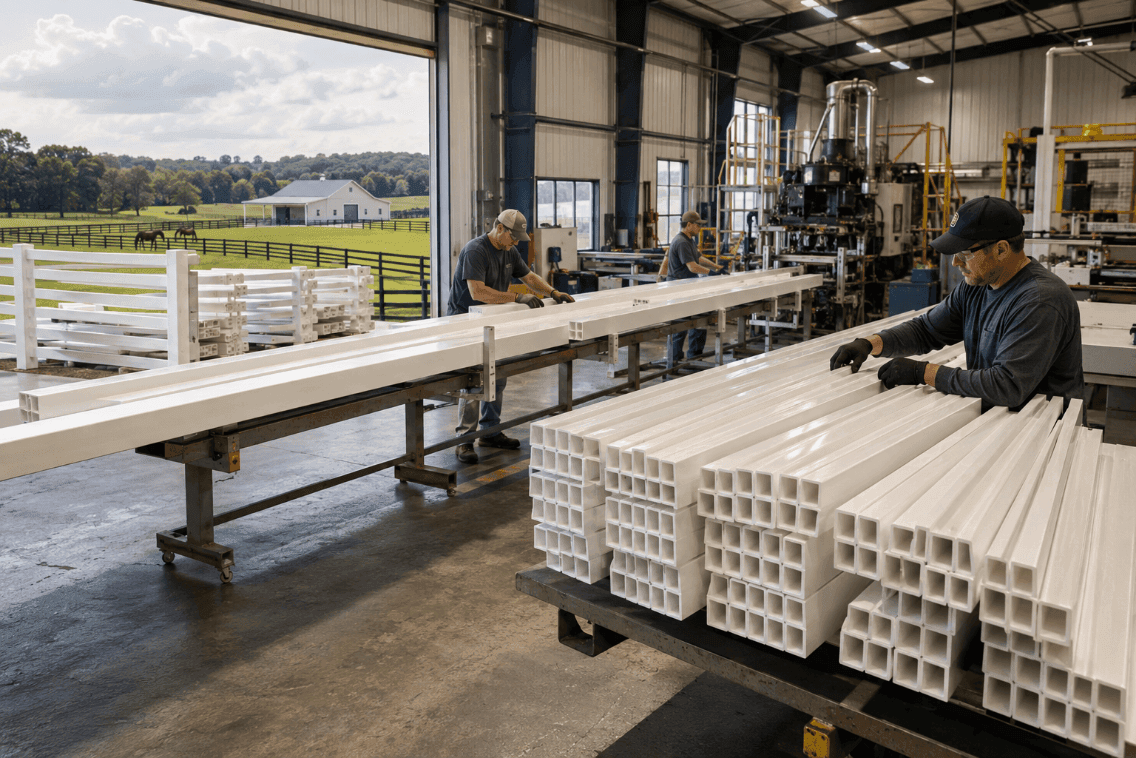
Dreaming up the perfect fencing solution is one thing. Bringing it to life is another.
To make the most of your investment, it’s important to think strategically and approach the process step by step. Follow these tips as you embark on your 2026 horse fencing project.
Plan with the Future in Mind
It’s tempting to design a fence based solely on your immediate needs, but equestrian properties often grow and evolve over time. For example, a boarding facility might begin with a few paddocks but later expand to accommodate more horses. By considering how your farm might expand in five or 10 years, you’ll avoid costly redesigns or premature replacements.
HDPE’s flexibility makes it ideal for long-term thinking, allowing you to adapt layouts without compromising on safety or style. Taking the long view means your investment continues to pay off as your property develops.
Balance Practicality with Aesthetics
A fence must first and foremost be functional, but that doesn’t mean it can’t be beautiful. With HDPE, you can select finishes and colors that elevate your property’s overall look while still meeting safety requirements. A training farm, for instance, might prefer a sleek black finish for a professional, uniform appearance, while a family-owned stable might choose natural wood tones for warmth and charm.
A well-designed fence can enhance curb appeal and even increase property value, all while serving the practical needs of your horses. This balance ensures that your fence becomes a proud feature of your farm rather than a forgotten necessity.
Invest in Property Flow
How horses, riders, and equipment move through your property has a huge impact on daily operations.
Strategic fencing layouts can minimize bottlenecks, improve access to pastures, and streamline transitions between spaces. For example, a training facility might design direct paths from stables to arenas, reducing time and stress during busy schedules. Similarly, a boarding barn could create efficient turnout routes to make morning routines smoother.
When fencing is designed with flow in mind, it makes every routine safer, faster, and more enjoyable.
Choose Sustainable Options
Today, eco-conscious choices are more popular than ever.
HDPE’s recyclable properties and long lifespan mean less material waste compared to wood or vinyl, which degrade faster. A farm that prioritizes eco-friendly operations can highlight HDPE fencing as part of its sustainability commitment, appealing to environmentally conscious clients and boarders.
Choosing sustainable fencing also signals your commitment to the environment and the future of equestrian living. When you opt for materials that require less maintenance and fewer replacements, you reduce your carbon footprint and save money in the long run.
Leverage Expert Guidance
Even with the best plans, expert insight can make the difference between a good fence and a great one. Working with specialists like Derby Fence ensures your project benefits from years of experience in design, installation, and maintenance.
For example, a new horse owner building their first property might feel overwhelmed by layout decisions, while an established facility upgrading outdated fencing might need guidance on scaling efficiently. Experts can recommend the right configurations for your specific property, saving you time and avoiding costly mistakes.
Stay Open to Innovation
Equestrian properties in 2026 are embracing new technologies and design trends at a rapid pace. From smart monitoring systems to modular fencing that adapts to changing needs, there are countless innovations to explore. A competition barn might integrate smart gates for added security, while a small family farm might focus on modular designs that can expand as their herd grows. By staying open to these advancements, you’ll be able to keep your property safer, more efficient, and visually appealing.
Prioritize Horse Safety at Every Step
A fence is only as good as the safety it provides. HDPE is a great option because it offers smooth surfaces, rounded edges, and flexible rails that absorb impact, making it one of the safest materials available.
However, safety also comes from careful design choices, like rail spacing and proper height for different zones. A foaling barn, for example, may require specific configurations to protect young horses, while performance stables might prioritize durability in high-traffic turnout areas.
Keeping your horses’ well-being at the center of your fencing decisions ensures that beauty and efficiency never come at the expense of protection.
FAQs About Horse Fence Ideas for 2026
What Is the Best Fencing Material for Horses in 2026?
HDPE fencing is quickly becoming a top choice due to its durability, flexibility, low maintenance, and long-term cost effectiveness. Unlike wood or vinyl, it won’t rot, crack, or splinter—making it a safer long-term option for horses.
How Much Maintenance Does Horse Fencing Require?
Maintenance varies by material, but HDPE fencing requires very little upkeep. Unlike wood, it doesn’t need painting, staining, or frequent repairs—which saves time and money over the long term.
Can I Customize My Horse Fence Design?
Absolutely. Modern fencing—especially HDPE—offers a wide range of customization options, including rail configurations, colors, and layouts to fit different areas of your property.
What Type of Fencing Is Best for Paddocks vs. Pastures?
Paddocks benefit from durable, impact-resistant fencing since horses interact with it more often. Pastures typically require low-maintenance fencing that can cover long distances and withstand changing weather conditions.
Is HDPE Fencing Environmentally Friendly?
Yes, HDPE is considered a sustainable option because it’s typically made from recyclable materials and has a long lifespan. Its durability reduces the need for replacements, which helps minimize waste over time.
How Do I Plan a Horse Fencing Layout for My Property?
Start by dividing your property into zones like paddocks, pastures, and arenas. Then design fencing heights and layouts based on how horses, riders, and equipment will move through each space.
Can Horse Fencing Improve Property Value?
Yes, well-designed fencing enhances both functionality and curb appeal. A clean, professional look—combined with durable materials—can make your property more attractive to buyers or boarders.
What Should I Consider When Choosing Horse Fencing?
Focus on safety, durability, maintenance, and layout. It’s also important to consider your long-term needs, such as expansion, sustainability goals, and how the fence will support daily operations.
Explore Derby Fence’s Innovative HDPE Horse Fencing Today
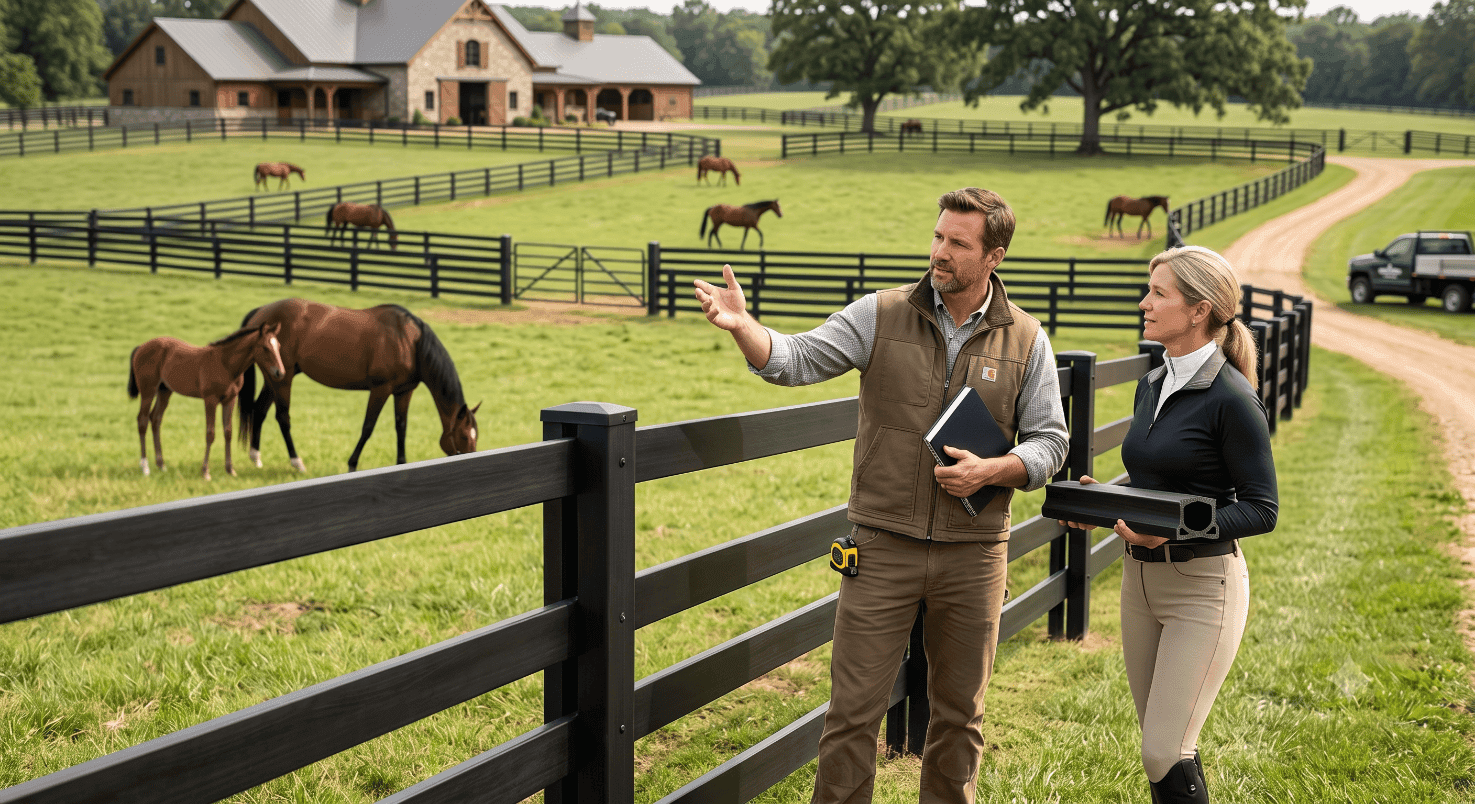
Horse fencing in 2026 is more than just a boundary. It also serves as an opportunity to elevate safety, efficiency, and style across your entire property.
HDPE fencing stands out as the material of choice, offering durability, sustainability, and customization unmatched by traditional wood or vinyl. Whether you’re redesigning your layout, upgrading gates, or embracing smart farm technology, HDPE fencing offers a smart, future-proof solution.
With HDPE fencing from Derby Fence, you get a solution that maximizes safety, minimizes maintenance, and delivers long-term value. It’s the modern answer to the age-old question of how to keep horses secure, safe, and happy.
Ready to upgrade your equine fencing solution? Contact Derby Fence today for a free quote and personalized fencing consultation. Our team is here to help you create a safe, beautiful, and efficient equestrian environment with the highest quality HDPE horse and equine rail fencing on the market.
Let us help you explore your options and invest in the future of your property.