

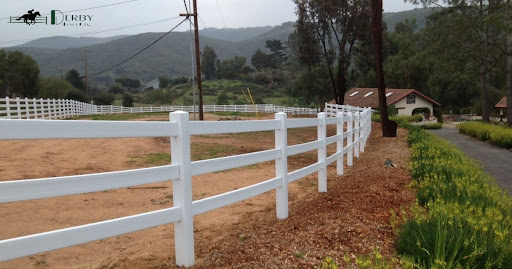
When it comes to outdoor fencing, constant sun exposure can take a serious toll. Over time, many traditional materials fade, become brittle, or weaken under harsh UV rays—leading to a worn appearance and frequent repairs. That’s where HDPE (high-density polyethylene) fencing stands apart. Engineered with built-in UV resistance, HDPE is designed to maintain its color, strength, and structural integrity even in intense sunlight. So, let’s take a closer look at how HDPE fencing stands up to prolonged sun exposure, why UV protection matters for long-term performance, and how it delivers a durable, low-maintenance solution that keeps your property looking its best for years to come.
What Is UV-Resistant Fencing?
UV-resistant fencing is specifically designed to withstand prolonged exposure to sunlight without fading, weakening, or becoming brittle. Constant UV radiation can break down many traditional fencing materials over time, leading to discoloration, surface damage, and reduced structural integrity.
Unlike standard fencing, UV-resistant options are engineered with materials that block or absorb harmful ultraviolet rays. This added protection helps preserve the fence’s color, strength, and overall appearance, even in areas with intense or year-round sun exposure. The result is a long-lasting, low-maintenance solution that continues to perform and look great despite harsh outdoor conditions.
Understanding HDPE & Its Role in UV-Resistant Fencing
HDPE is a highly durable thermoplastic known for its ability to perform in demanding outdoor environments. One of its key advantages is its built-in UV resistance, often achieved through specialized additives that protect the material from sun-related degradation. This allows HDPE fencing to maintain its color and structural integrity far longer than many traditional alternatives.
In addition to UV protection, HDPE offers excellent flexibility and impact resistance, meaning it won’t crack or become brittle under constant sun exposure. Its non-porous surface also prevents moisture absorption, which further contributes to its long-term durability. Because of these combined properties, HDPE is widely used in outdoor applications where consistent performance and minimal maintenance are essential—including fencing systems designed to handle years of direct sunlight.
HDPE vs. Traditional Materials in UV-Resistant Fencing
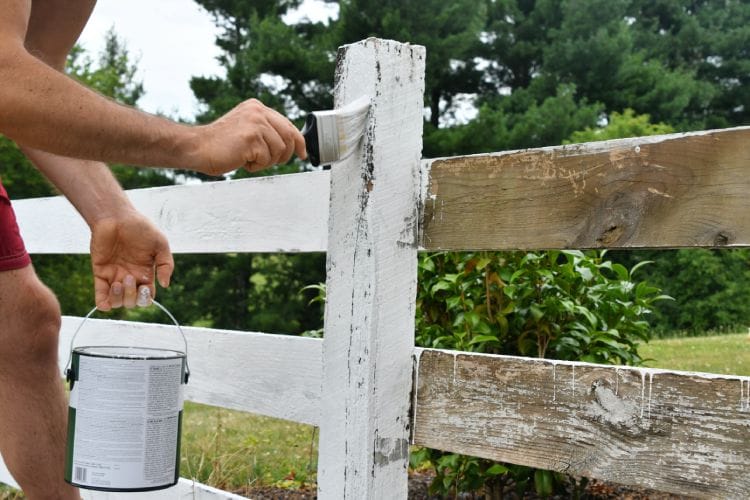
Traditional fencing materials like wood, metal, and lower-grade plastics often struggle under continuous sun exposure. Wood can fade, dry out, and crack, requiring regular staining or sealing to maintain its appearance. Metal fencing may retain its strength but can experience paint breakdown or surface deterioration over time.
Many standard plastics are especially vulnerable, becoming brittle and discolored when exposed to UV rays.
HDPE fencing offers a clear advantage by incorporating UV resistance directly into the material itself rather than relying on surface coatings. This means it won’t peel, chip, or fade as easily, even after years in the sun. With its ability to resist cracking, discoloration, and structural breakdown, HDPE provides a more reliable, low-maintenance alternative—delivering long-term performance and a consistently clean, finished look compared to traditional fencing options.
Factors Affecting UV Resistance
While HDPE fencing is naturally built to withstand sun exposure, a couple of factors play a role in how well it performs over time. Understanding these elements can help ensure you choose a fencing solution that maintains its strength and appearance for the long haul.
Color Pigmentation
The color of HDPE fencing can influence how it responds to UV exposure. Darker shades tend to absorb more sunlight, which can lead to faster surface wear over time. Lighter colors, on the other hand, reflect more sunlight and may retain their appearance longer. To counteract this, manufacturers often incorporate UV stabilizers and high-quality pigments directly into the material, helping to minimize fading and maintain consistent color even in intense sunlight.
Material Thickness
Thicker HDPE panels generally offer enhanced UV resistance because they provide more material to absorb and disperse UV radiation. This added density helps slow down the effects of prolonged sun exposure, contributing to a longer lifespan and improved durability. As a result, thicker fencing systems are often better suited for environments with high levels of direct sunlight.
Benefits of HDPE UV-Resistant Fencing
When it comes to outdoor fencing, long-term exposure to sunlight is one of the most persistent challenges a material can face. UV rays gradually break down many traditional fencing options, causing fading, brittleness, and structural weakening over time. HDPE fencing is specifically engineered to combat these effects, offering a durable, low-maintenance solution that maintains both performance and appearance for years. Below are the key benefits that make HDPE a leading choice for UV-resistant fencing.
Superior Protection Against UV Degradation
One of the most significant benefits of HDPE fencing is its ability to withstand prolonged sun exposure without breaking down. Ultraviolet radiation is known to damage the molecular structure of many materials, leading to discoloration, surface cracking, and reduced strength. HDPE fencing is manufactured with UV stabilizers and protective additives that help block and absorb harmful rays before they can cause deterioration.
Unlike surface coatings that wear away over time, these stabilizers are integrated directly into the material during production. This means the protection is built-in and long-lasting, not something that fades or peels after a few seasons outdoors. As a result, HDPE fencing maintains its structural integrity and color consistency even in regions with intense, year-round sunlight.
For property owners, this translates into a fence that doesn’t just survive the sun—it thrives in it.
Long-Lasting Color Retention
A common issue with traditional fencing materials is visible fading. Wood loses its natural tone, painted surfaces crack and peel, and lower-grade plastics often turn dull or yellow after extended sun exposure. HDPE fencing is designed to maintain its color stability over time, helping properties retain a clean and consistent appearance.
Because HDPE color pigments are deeply embedded throughout the material, the finish is not just a surface layer—it runs through the entire product. This means that even if the surface experiences minor wear, the color remains consistent and visually appealing. Scratches or scuffs are far less noticeable compared to coated materials that reveal a different layer underneath.
This long-term color retention is especially valuable for properties where curb appeal or brand presentation matters.
Resistance to Brittleness & Cracking
Continuous exposure to UV rays doesn’t just affect appearance—it can also weaken structural integrity. Many traditional plastics become brittle over time when exposed to sunlight, increasing the risk of cracking or breaking under stress. Wood can dry out and splinter, while even some composite materials may lose flexibility.
HDPE fencing avoids these issues thanks to its flexible thermoplastic structure. Instead of becoming rigid and fragile, HDPE maintains a level of elasticity that allows it to absorb stress without breaking. This flexibility is particularly important in environments where fencing may experience physical impact, temperature fluctuations, or wind pressure.
Even after years of exposure, HDPE retains its ability to bend slightly rather than snap. This significantly reduces the likelihood of sudden damage and helps extend the overall lifespan of the fence, making it a dependable choice for long-term installations.
Reduced Maintenance Requirements
Traditional fencing materials exposed to UV radiation often require ongoing maintenance to preserve their appearance and function. Wood fences need staining or sealing, painted surfaces require regular touch-ups, and some plastics may need replacement once fading or cracking becomes severe. These maintenance needs can add both time and cost over the life of the fence.
HDPE fencing significantly reduces these demands. Because it is engineered to resist UV degradation from the start, there is no need for painting, sealing, or protective coatings. The material maintains its appearance and performance with minimal intervention.
In most cases, maintenance is limited to occasional cleaning with water or mild detergent to remove dust, dirt, or environmental buildup. This low-maintenance nature makes HDPE particularly attractive for large properties, commercial facilities, and agricultural operations where ongoing upkeep can become costly and time-consuming.
Enhanced Performance in Extreme Sun Exposure
Not all environments experience the same level of UV intensity. Properties located in open fields, high-elevation regions, or areas with minimal shade are especially vulnerable to sun damage. In these conditions, fencing materials are exposed to direct sunlight for extended periods throughout the day and across seasons.
HDPE fencing is specifically designed to handle these high-exposure environments. Its protective formulation helps it withstand continuous solar radiation without significant degradation. This makes it a strong option for agricultural fencing, perimeter security, recreational facilities, and other outdoor applications where exposure is unavoidable.
Even in extreme heat combined with direct sunlight, HDPE maintains its performance characteristics. It does not soften excessively, warp, or lose its shape under typical outdoor conditions, ensuring consistent functionality throughout the year.
Cost-Effective Long-Term Investment
Although HDPE fencing may have a higher initial cost compared to some traditional materials, its long-term value is significantly greater. Many of the ongoing expenses associated with fencing—such as repainting, repairs, replacements, and protective treatments—are greatly reduced or eliminated altogether.
Because HDPE is engineered to resist fading, cracking, and structural breakdown, it maintains its function and appearance for many years without frequent intervention. This extended lifespan reduces replacement cycles and lowers the total cost of ownership over time.
For property owners, this makes HDPE not just a durable choice, but also a financially strategic one. The upfront investment is offset by reduced maintenance costs and longer service life, making it a cost-efficient solution in the long run.
Sustainable & Environmentally Responsible
In addition to its performance benefits, HDPE fencing also supports sustainability goals. Many HDPE products are manufactured using recycled plastics, helping reduce waste and promote material reuse. At the end of its lifespan, HDPE is also recyclable, further reducing environmental impact.
Because the material does not require paints, stains, or chemical treatments to maintain UV resistance, it also helps eliminate the use of potentially harmful maintenance products. This reduces chemical runoff and environmental contamination over time.
For environmentally conscious property owners, HDPE offers a balance between durability and sustainability—providing a long-lasting solution that aligns with modern eco-friendly building practices.
Consistent Appearance Over Time
One of the most practical benefits of HDPE fencing is its ability to maintain a consistent appearance year after year. Many fencing materials begin to look aged or uneven as UV exposure progresses, with patchy fading or surface wear becoming increasingly visible.
HDPE avoids this issue by maintaining uniform color and texture throughout its lifespan. Even after years of exposure, the fence continues to look clean, cohesive, and well-maintained. This consistency is especially important for properties where visual presentation contributes to overall value, whether residential, commercial, or agricultural.
Reliable Strength Without Compromise
Ultimately, the key advantage of HDPE fencing is its ability to combine durability, flexibility, and visual stability in one material. It resists the most damaging effects of sunlight while continuing to perform structurally under real-world conditions.
Unlike traditional fencing that may weaken over time due to UV exposure, HDPE remains dependable throughout its service life. It provides a strong, stable barrier that requires minimal upkeep while maintaining its appearance and integrity.
For property owners looking for a fencing solution that can withstand the sun without sacrificing performance or aesthetics, HDPE offers a proven, long-term answer.
Best Practices for Maintaining UV-Resistant Fencing
While HDPE UV-resistant fencing is designed for long-term durability with minimal upkeep, a simple and consistent maintenance routine can help maximize its lifespan and preserve its appearance even further. Unlike traditional materials that demand frequent refinishing or replacement, HDPE benefits from straightforward care practices that keep it performing at its best year after year. The following best practices will help ensure your fencing remains strong, clean, and visually appealing in even the harshest sun-exposed environments.
1. Clean Regularly
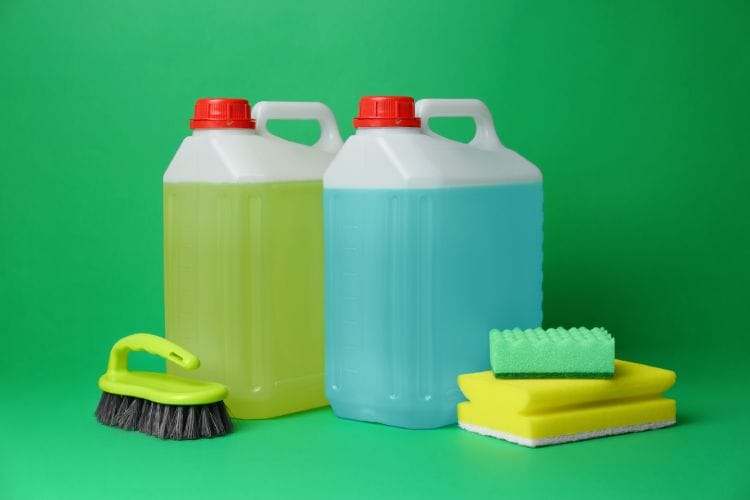
Wash your fence periodically with mild soap and water to remove dirt, dust, and organic buildup. Use a soft cloth or brush, and avoid harsh chemicals or abrasive cleaners that could dull the surface.
2. Inspect for Damage
Check your fencing occasionally for signs of wear such as scratches, loose components, or impact marks. Catching small issues early helps maintain long-term performance and appearance.
3. Avoid Harsh Cleaning Products
Stick to gentle, non-abrasive cleaning solutions. While HDPE is chemically resistant, strong solvents or rough scrubbing tools can affect the finish over time.
4. Keep the Area Clear
Trim back plants and remove debris around the fence line. This helps prevent buildup, improves airflow, and keeps the fencing looking clean and consistent.
5. Consider Extra UV Protection (If Needed)
In high-sun environments, you may choose to apply a compatible UV-protective treatment for added protection—though most HDPE fencing performs exceptionally well without it.
UV-Resistant Fencing FAQs
What Makes HDPE UV-Resistant Fencing Different from Regular Fencing?
HDPE UV-resistant fencing is engineered with built-in UV stabilizers that protect it from sun damage. Unlike wood or standard plastics, it won’t easily fade, crack, or become brittle after long-term sun exposure.
Does HDPE Fencing Fade in the Sun?
Minimal fading may occur over many years, but HDPE is designed to maintain strong, consistent color. Its pigments and UV inhibitors help preserve its appearance even in high-sun environments.
Can UV-Resistant Fencing Handle Extreme Heat and Sun Exposure?
Yes. HDPE fencing is specifically designed for harsh outdoor conditions, including intense sunlight and high temperatures. It maintains its strength and flexibility without warping or weakening.
Do I Need to Apply Any UV Coating to HDPE Fencing?
No. HDPE fencing already contains built-in UV protection, so additional coatings or treatments are not required to maintain its resistance to sunlight.
Is UV-Resistant HDPE Fencing Low Maintenance?
Yes. It requires very little upkeep compared to wood or metal fencing. Occasional cleaning with mild soap and water is typically enough to keep it looking its best.
Is HDPE Fencing Good for High-Sun or Desert Climates?
Absolutely. HDPE performs exceptionally well in high-sun and hot climates because it resists UV degradation, heat stress, and surface deterioration over time.
How Long Does UV-Resistant HDPE Fencing Last?
HDPE fencing is built for long-term outdoor performance and can last for decades with proper installation and basic maintenance. Its UV resistance helps significantly extend its usable lifespan. Additionally, it is important to note that all Derby Fence products come with a 20-year limited warranty.
Choose UV-Resistant Fencing from Derby Fence
When it comes to protecting your property from constant sun exposure, HDPE UV-resistant fencing delivers the strength, stability, and long-lasting appearance you can count on.
Ready to upgrade to fencing that’s built for the sun? Contact Derby Fence today for a free quote and discover how HDPE UV-resistant fencing can enhance your property with lasting strength, low maintenance, and long-term visual appeal.