

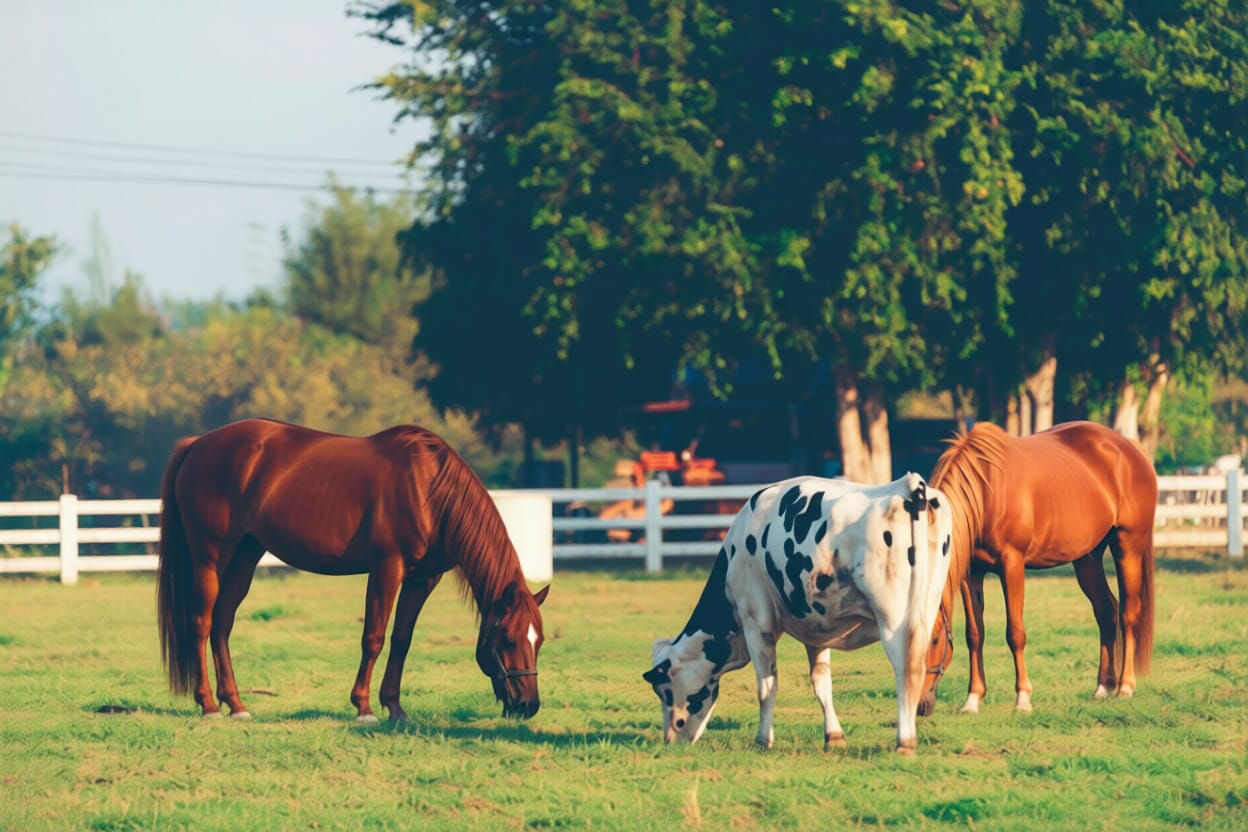
Pasture fencing is a crucial part of keeping your animals safe, contained, and healthy. But when it comes to choosing the best fencing, the needs of horses and cattle are as different as the animals themselves. Horses are known for their agility and tendency to spook, while cattle are powerful and prone to testing the limits of their enclosure. The fence that works for one may not be suitable for the other, and a poor choice can lead to costly repairs, injuries, or even escapes.
Whether you’re protecting a prized horse or managing a herd of cattle, it’s important to understand the key differences in fencing requirements that can save you time, money, and headaches. Height, material, visibility, and safety features all play a role in crafting the ideal enclosure.
Knowing what to look for and how each type of fencing meets the specific needs of your animals can help you make a decision that keeps your livestock safe and your property secure.
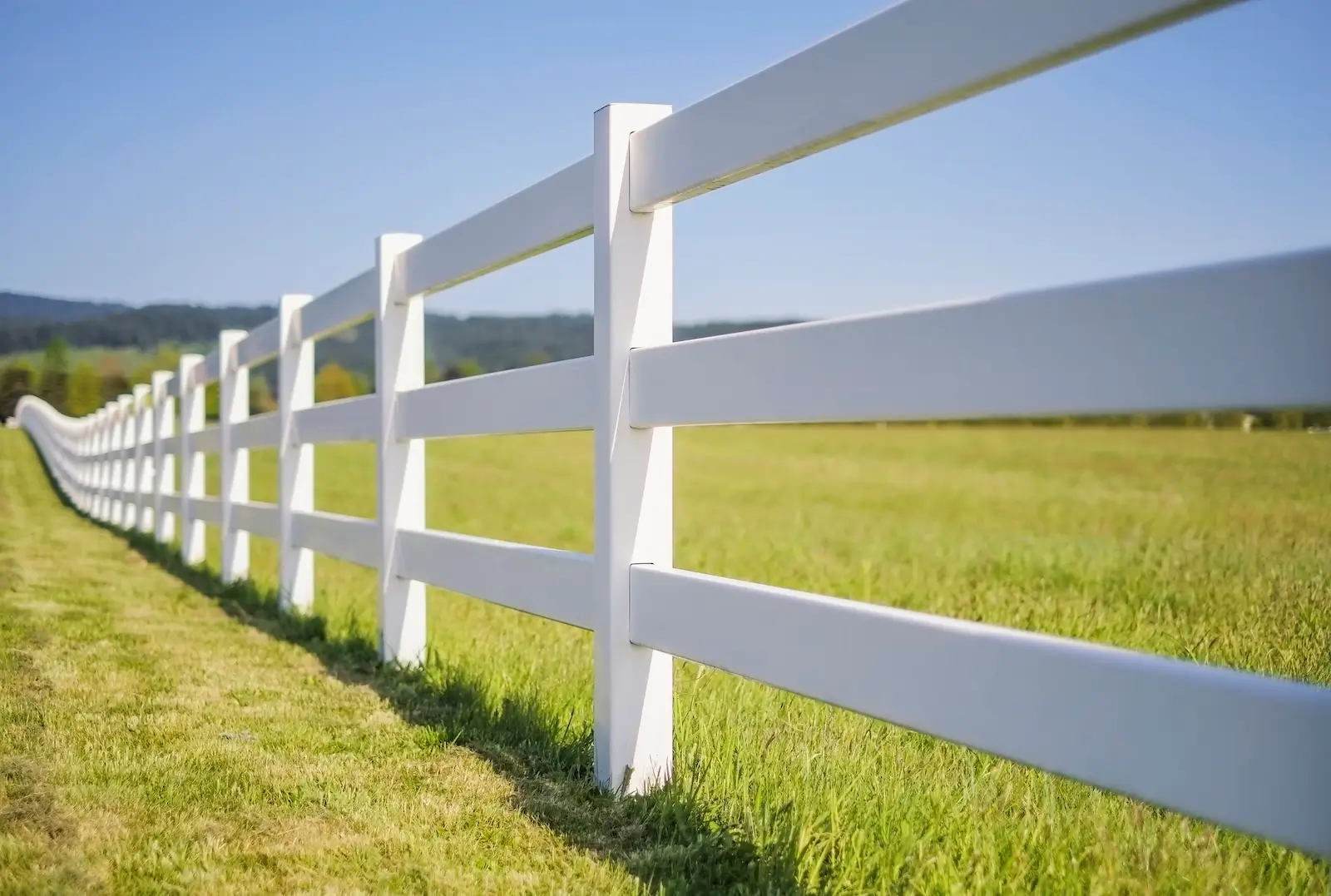
Horse Pasture Fencing Considerations
When it comes to horses, fencing isn’t just a matter of keeping them inside the pasture. The goal is to create an environment that promotes safety and reduces the risk of injury.
Horses, known for their intelligence and athleticism, are also prone to spooking, running, and sometimes even jumping. Their physical needs and behaviors require a fence that is not only tall enough but also safe and visible.
Height
Horses need fences that are tall enough to prevent them from jumping or escaping. For most horses, a minimum height of 4.5‒5 feet is necessary, with higher fences recommended for stallions or more agile horses. A shorter fence may be easy for a determined horse to clear, especially if they’re startled or frightened.
Visibility
Horses are sensitive to their surroundings, and visibility plays a huge role in their safety. Fences that blend into the environment or are difficult to see can lead to accidents. Using materials that are brightly colored, solid, or reflective helps horses recognize the boundaries of their pasture. This visual clarity is crucial to prevent spooking, which could lead to dangerous behavior like running into the fence.
Safety
Safety is the top priority when fencing pastures for horses. Barbed wire can cause serious injuries to horses due to their sensitive skin and tendency to push against or get tangled in the wire. Instead, it’s essential to choose materials that are smooth and safe, with no sharp edges or gaps that could lead to injury.
The gap size between fence posts should also be carefully considered, with a width no larger than 2×4 inches to prevent horses from getting their heads or hooves stuck.
Materials
The materials you choose will directly impact the durability and safety of your fence. Wood, vinyl, and high-density polyethylene (HDPE) are popular options, offering both strength and visual appeal. HDPE is especially favored for its low maintenance and long-lasting performance. Each material offers different benefits, but all should provide enough security to keep horses safely contained without compromising their comfort or safety.
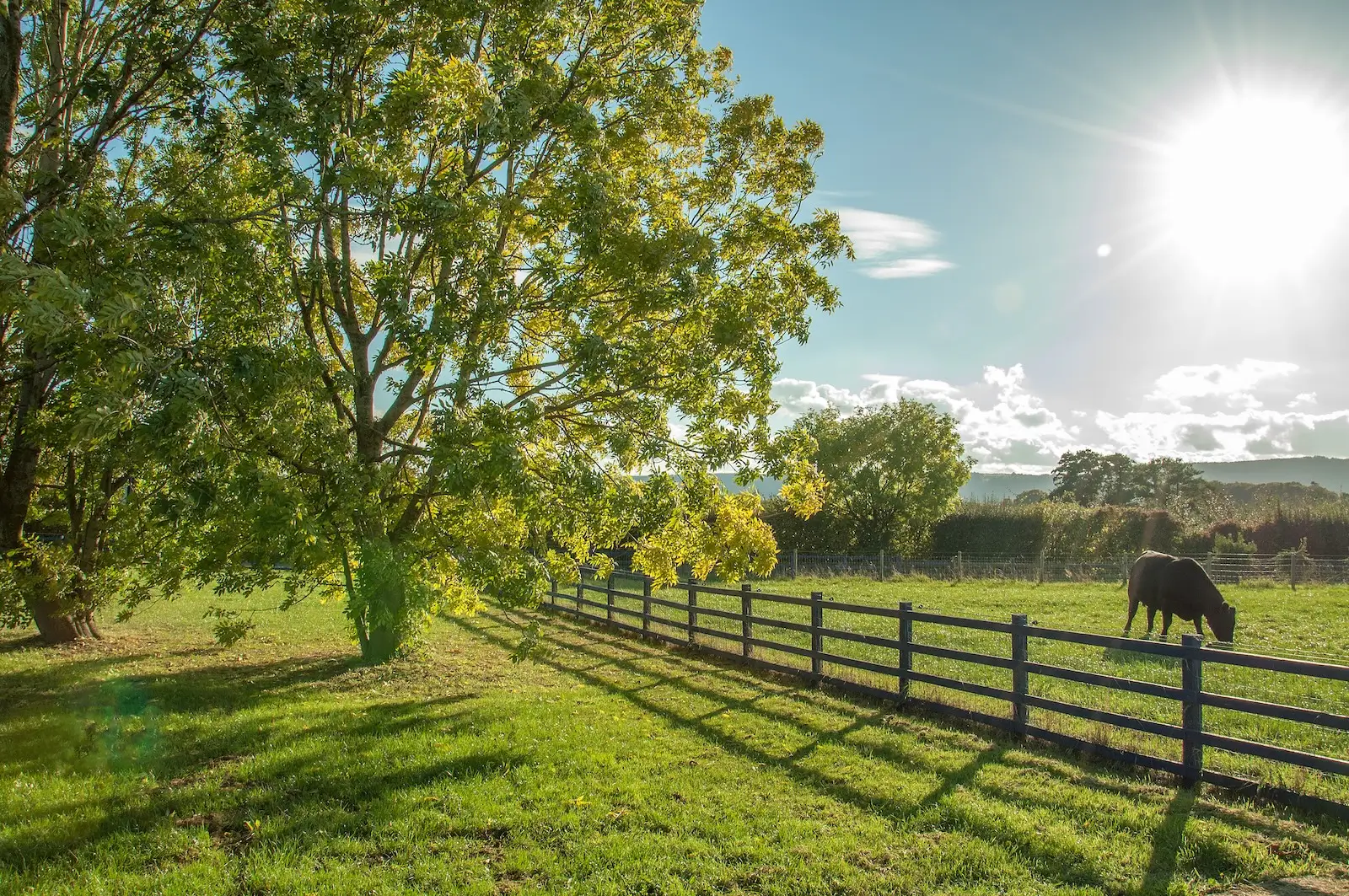
Cattle Pasture Fencing Considerations
Cattle, with their size and strength, have different fencing needs compared to horses. They’re more likely to test the boundaries of their pasture, whether by pushing against the fence or rubbing up against it.
A sturdy, durable fence helps to prevent escapes and injuries. The right fencing for cattle should be strong enough to withstand their physical force and help keep them securely contained.
Height
Cattle are not known for their jumping ability, so their fencing doesn’t need to be as tall as a horse’s. A standard 4-foot fence is usually sufficient for most cattle, though bulls and more aggressive animals may require fences that are 5 feet or higher. Height should be enough to discourage cattle from attempting to escape or jump over the barrier, but the primary concern for cattle is strength and durability, rather than height alone.
Strength & Durability
Cattle are larger and often much stronger than horses and can easily rub or lean against a fence. As a result, the material you choose must be able to withstand significant pressure without collapsing or losing its integrity. For a herd of cows or a bull, the fence should be able to handle rough contact over time without breaking down. Look for materials that are tough and resistant to the wear and tear of cattle’s constant rubbing and pushing.
Safety
Though barbed wire works well for cattle, it’s important to make sure the fence is properly constructed to avoid injuries. While cattle are less likely to be injured by barbed wire compared to horses, improper installation—such as too much slack in the wire or poorly secured posts—can create hazards. For added safety, many cattle owners choose to use alternate pasture fencing like HDPE to minimize injury risk while maintaining strength and durability.
Materials
Cattle fencing commonly uses barbed wire, woven wire, or high-tensile wire. Barbed wire is particularly effective for cattle as it deters them from pushing through or leaning on the fence. Woven wire and fixed knot fencing provide added durability and are often preferred for their strength and longevity. HDPE is also becoming a popular choice for cattle pastures because it provides both safety and durability while requiring less maintenance than traditional wood or wire fences.
Whatever it’s made of, cattle fencing material should be designed to endure the force cattle exert on fences, ensuring it remains intact under pressure.
Pasture Fencing for Cattle vs. Horses: Key Differences to Consider
Although horses and cattle are both livestock, their behaviors and physical characteristics demand different fencing solutions. Understanding these differences can help you make the right choice when selecting a fence for your pasture.
Review these key distinctions between horse and cattle fencing to make sure you’re selecting the most appropriate option for your animals.
Height
Height is a significant difference when it comes to fencing for horses vs. cattle. Horses are more likely to jump, especially when startled, so their fences need to be taller—typically between 4.5 to 5 feet. Stallions or highly agile horses may require even taller fences.
Cattle, on the other hand, do not have the same jumping ability. A 4-foot fence is typically sufficient for most cattle, though larger or more aggressive animals like bulls may require a height of 5 feet or more. Cattle fences are primarily about strength and durability, not height.
Visibility
Horses are particularly sensitive to their environment and are easily spooked by things they can’t clearly see. Therefore, fences for horses should be highly visible, often with bright colors, solid surfaces, or reflective materials to prevent accidents.
Cattle are less sensitive to visibility and are more focused on physical deterrents. While it’s still important for cattle fences to be visible, their primary function is to contain and control the movement of the animals, rather than preventing spooking.
Strength & Durability
While both species require strong fencing, cattle place a much higher demand on fence durability due to their size and strength. Cattle can push, rub, and lean against fences, so they need fences that can withstand significant physical force. Materials like barbed wire or HDPE fencing are ideal for cattle because they are designed to endure such pressure.
Horses, by comparison, don’t typically put as much physical strain on their fences but still need strong materials that won’t break if they test the boundary. Fencing for horses must prioritize safety and visibility without compromising strength.
Safety
Safety is a top priority when it comes to fencing for both horses and cattle, but the types of risks differ.
Horses are particularly vulnerable to injuries from barbed wire and sharp materials, so these should be avoided at all costs. Horses can easily get tangled in barbed wire or hurt themselves by running into it. In contrast, cattle can handle barbed wire better but still need sturdy and well-constructed fences to prevent injuries from rubbing or leaning.
Whether you choose barbed wire, wood, vinyl, or HDPE fencing, make sure the fence is secure, properly installed, and strong enough to withstand the pressure from the animals.
Materials
The material you choose for fencing plays a huge role in safety and durability.
Horses require smooth, non-barbed materials to avoid injury from sharp edges or wire. Wood, vinyl, and HDPE are preferred for horse fences and offer the right balance of safety, visibility, and durability.
In contrast, cattle are often contained using barbed wire, woven wire, or high-tensile wire. Barbed wire is a deterrent for cattle, as they are more likely to push against the fence. HDPE and woven wire are also great choices for cattle, providing strength and resilience without the injury risks associated with barbed wire for horses.
How to Choose the Best Pasture Fencing Option for Your Livestock
Choosing the right fence for your pasture requires understanding the unique needs of your livestock and how different factors impact their safety and comfort. Follow this step-by-step approach to make the best decision for your horses or cattle.
Step 1: Assess the Type of Livestock
Understanding your animals’ natural behaviors is the first step in selecting the right fence. Horses are more agile and sensitive, with a tendency to jump, spook, and test boundaries. They need a fence that’s tall enough to prevent escape and visible enough to prevent accidents. Cattle, on the other hand, are strong and may push or rub against fences, requiring more durable materials that can withstand their physical force.
Step 2: Evaluate Height Requirements
The height of your fence depends on your animals’ behaviors. Horses typically need a fence at least 4.5 to 5 feet high to prevent jumping, while stallions or more energetic horses may require even taller fences. Cattle are less likely to jump, so a 4-foot fence is often sufficient, though bulls and more aggressive cattle may require a height of 5 feet or more. Consider your specific animals and their tendencies when determining the appropriate height.
Step 3: Determine Visibility & Safety Needs
For horses, visibility is crucial. They are easily spooked by things they can’t see clearly, which can lead to dangerous behavior. Brightly colored, solid, or reflective fencing materials can help horses easily identify the boundaries of their pasture. Cattle are less affected by visibility but can benefit from clear barriers for monitoring.
Safety is an additional concern for both species, but for horses, avoiding barbed wire and selecting smooth, safe materials is important. Cattle can handle barbed wire but still require secure, properly installed fencing to avoid injury.
Step 4: Choose the Right Materials
The materials you choose should align with your livestock’s needs. Horses need smooth, durable materials like wood, vinyl, PVC, or HDPE to avoid injury. These materials also offer aesthetic appeal and long-lasting performance. For cattle, barbed wire is often the go-to material due to its effectiveness in deterring larger animals from testing the fence. However, woven wire, high-tensile wire, and HDPE also provide strong, reliable options.
Consider HDPE as a versatile solution that works well for both horses and cattle thanks to its strength, low maintenance, and longevity.
Step 5: Factor in Environmental & Maintenance Considerations
Weather conditions and terrain can affect the performance and longevity of your fence. Harsh weather, such as heavy rain, snow, or extreme heat, can take a toll on traditional materials like wood or wire. HDPE is an excellent option for varied climates as it’s resistant to UV damage and won’t rot or warp over time.
The terrain of your pasture also matters, as steep or rocky areas might require a more robust fence that can handle shifting soil or heavy contact. Consider your local environment when selecting materials to choose fencing that can withstand the elements with minimal maintenance.
Step 6: Consider Multi-Use Fencing Options
If you have both horses and cattle on your property, you may want to invest in multi-use fencing. HDPE is an excellent choice for this purpose, as it offers the strength needed for cattle and the safety required for horses. A well-constructed HDPE fence can meet the needs of both species, offering a balance of safety, visibility, and durability.
If you’re planning to keep both horses and cattle in the same pasture, confirm the fence is tall enough for horses, durable enough for cattle, and made of materials that can withstand both animals’ behaviors.
Horses vs. Cattle Pasture Fencing FAQs
Can You Use a Cattle Fence for Horses?
While it’s possible to use a cattle fence for horses, it’s not always the safest option. Cattle fences, particularly those made with barbed wire, are not ideal for horses due to the risk of injury. Horses require smooth surfaces and smaller gaps to prevent entanglement. If you do choose a cattle fence for horses, make sure it’s made of horse-safe materials, such as HDPE, and has no sharp edges.
What Is the Difference Between a Horse Fence & a Cattle Fence?
The primary differences between horse and cattle fencing are related to height, materials, and safety. Horse fences generally need to be taller (4.5‒5 feet) to prevent jumping and should be made of smooth, visible materials. Cattle fences, on the other hand, are usually shorter (4 feet) but must be much stronger to withstand the physical pressure cattle apply through pushing, rubbing, or leaning. Additionally, horse fences should avoid barbed wire, while cattle fences often use it effectively.
Can Horses & Cattle Share the Same Pasture?
Horses and cattle can share the same pasture, but the fencing needs to accommodate both species. A multi-use fence must be sturdy enough for cattle and safe enough for horses. HDPE fencing is a good option, as it provides durability and safety for both animals. It’s important to make sure the fence is tall enough for horses and strong enough to withstand the physical pressure of cattle.
What Is the Best Fence for Cattle & Horses?
The best fence for both cattle and horses is one made from HDPE. It offers the strength required for cattle while being smooth and safe enough for horses. It’s also low-maintenance, resistant to UV damage, and durable enough to handle the elements. HDPE is a versatile, long-lasting solution for mixed-use pastures.
How Do I Prevent Horses from Jumping Over the Fence?
To prevent horses from jumping over the fence, ensure the fence is at least 4.5 to 5 feet tall, and consider adding a top rail to discourage jumping. Using highly-visible fencing materials can also help, as horses are less likely to test boundaries when they can clearly see the fence.
What Materials Are Best for Horse Fencing?
For horse fencing, materials such as wood, vinyl, PVC, and HDPE are ideal. These materials are smooth, durable, and provide the necessary visibility. HDPE fencing is a popular option for its low maintenance requirements, durability, and long-lasting performance. Avoid barbed wire, as it can cause serious injuries to horses.
Do Cattle Need Taller Fences Than Horses?
Generally, cattle do not require as tall a fence as horses, with 4 feet usually being sufficient for most cattle. However, bulls and more aggressive cattle may need taller fences, around 5 feet or more. The key consideration for cattle is the strength of the fence, not height, as they are more likely to push or rub against the fence.
What Type of Fence Is Most Durable for Cattle?
For cattle, high-tensile wire, woven wire, and barbed wire are all excellent choices. These materials can withstand the pressure from cattle pushing, rubbing, and leaning against the fence. Fixed knot wire also provides added durability and strength, making it a great option for long-term use.
Can These Fencing Options Be Used for Other Livestock, Such as Sheep or Goats?
Yes, HDPE fencing is suitable for sheep and goats. For smaller livestock, make sure the fence has narrow gaps (2×4 inches or smaller) to prevent escapes.
Find the Best Horse & Cattle Pasture Fencing Options at Derby Fence
Choosing the right pasture fence for your livestock is an investment in both safety and peace of mind. Horses and cattle each have unique needs when it comes to fencing, and selecting the appropriate materials, height, and design is crucial to keeping them secure.
At Derby Fence, our HDPE pasture fencing is an ideal solution for both horses and cattle. It combines the strength and durability needed to contain cattle, with the safety and flexibility that horses require. Whether you’re caring for a few prized horses or managing a herd of cattle, HDPE provides an effective, long-lasting option that reduces the need for constant repairs and maintenance.
Ready to upgrade your pasture fencing? Contact Derby Fence today to explore our range of HDPE fencing options and see how we can help you create a secure, safe, and visually appealing enclosure for your livestock.
