

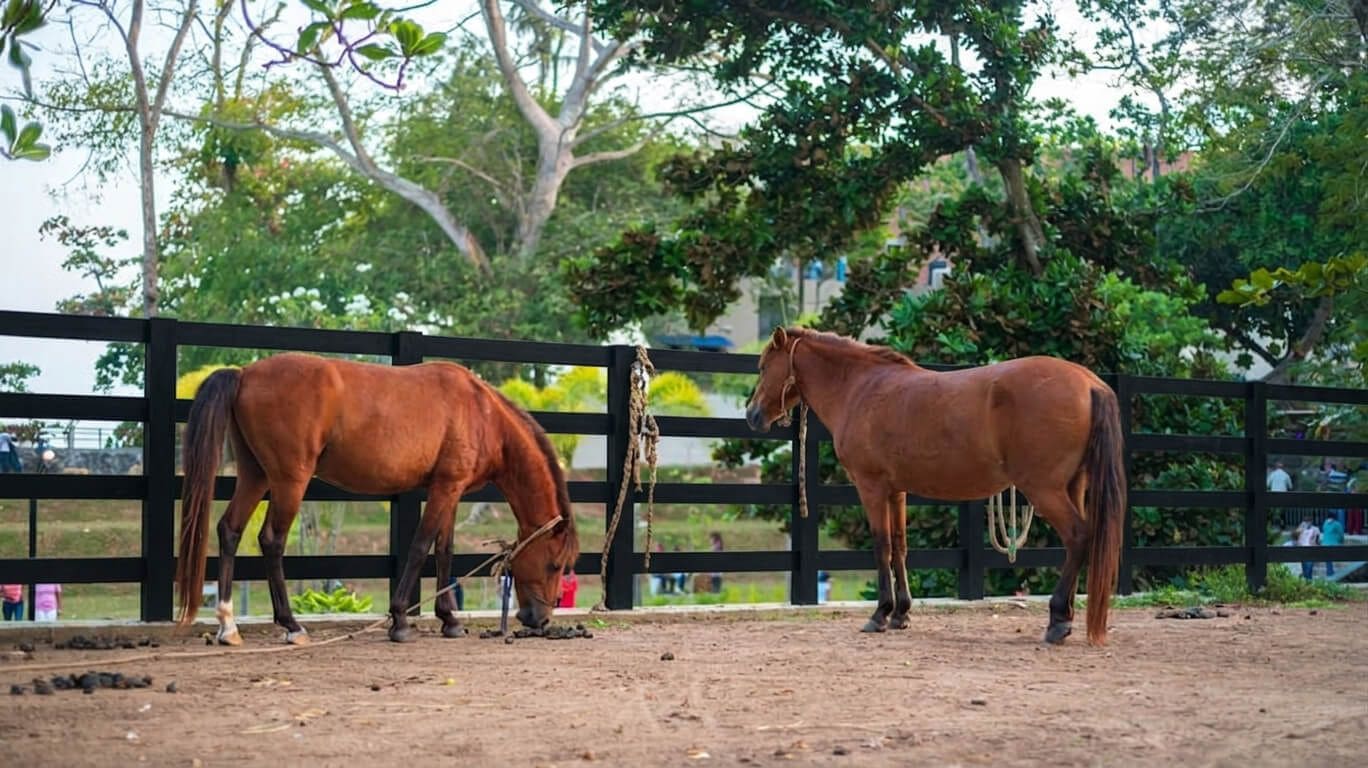
Choosing the right fencing material for your horse arena is a decision that impacts not only the safety and performance of your horses but also the long-term cost and upkeep of the facility. With numerous options available, it’s important to understand the benefits and drawbacks of each.
One of the best options for outdoor horse arena fencing is high-density polyethylene (HDPE). HDPE fencing has gained popularity among horse owners due to its exceptional durability, minimal maintenance needs, advanced resistance, and long-lasting performance under harsh outdoor conditions.
In this article, we’ll explore why HDPE is the ideal choice for outdoor horse arena fencing, comparing it to other materials and highlighting its many advantages.
6 Things to Consider When Choosing Outdoor Horse Arena Fencing
Selecting the right fencing material for your horse arena is no simple task. Various factors must be considered to make sure the fence will meet the unique demands of both the arena and the horses it contains
The following key considerations should guide your decision.
1. Safety
When it comes to fencing, safety should be your number one priority. The fence must provide a secure boundary while also being safe for horses and riders.
Traditional fencing materials, like wood or metal, often present hazards such as splinters, sharp edges, and weak points that can splinter or break under pressure, making them dangerous if a horse or rider comes into contact with them. HDPE is an ideal material because it is smooth, free from sharp edges, and does not splinter. These characteristics significantly reduce the risk of injury during training or competition, ensuring that both horses and riders are protected.
2. Visibility
Clear visibility is essential, particularly in horse arenas where riders, horses, and spectators need to have unobstructed sightlines. A fence material that blends well with the surroundings and does not obstruct views is ideal. In competitive settings as well as training environments, the fence should offer clear boundaries without distracting or disrupting the focus.
HDPE fencing is available in various colors, and its smooth, solid construction can be designed to provide the appropriate level of visibility without obstructing the view.
3. Maintenance Needs
Maintaining fencing can be costly and time-consuming. Traditional materials like wood often require regular painting, sealing, or replacing damaged components. Vinyl fencing, while low maintenance, may still be subject to cracking or discoloration over time.
HDPE, however, is incredibly low maintenance. It does not require painting, staining, or sealing, and it won’t crack or warp due to temperature fluctuations. The result is less time spent on upkeep and more time focusing on the important aspects of managing your horse arena.
4. Installation Requirements
Fencing installation can be labor-intensive and costly. Materials like wood or metal require specialized tools and skills for installation. HDPE fencing is easier to install compared to other materials. It’s lightweight, yet durable, which simplifies the installation process. It also requires fewer fasteners and less maintenance over time, making it an ideal choice for long-term cost savings.
5. Durability
The durability of the fencing material directly impacts its longevity and cost-effectiveness. Outdoor horse arenas are exposed to the elements year-round, which means your fencing material must withstand sun, rain, snow, and temperature fluctuations. Additionally, outdoor riding arena fencing must be strong enough to withstand accidental collisions from horses without splintering or breaking.
HDPE is known for its remarkable durability. It doesn’t crack, splinter, or rot, even after years of exposure to the elements. This durability ensures your fence will last longer and maintain its structural integrity, providing reliable protection for your horses without frequent repairs or replacements.
6. Resistance
Resistance to environmental factors such as UV rays, moisture, weather fluctuations, and extreme temperature changes is critical for outdoor fencing materials. Fencing that cannot withstand harsh weather conditions will degrade over time, leading to potential safety risks and costly repairs.
HDPE is highly resistant to these environmental factors. Its ability to resist UV degradation, moisture absorption, and temperature-induced damage means it will maintain its strength and appearance even in the most challenging conditions.
What Is HDPE Fencing?
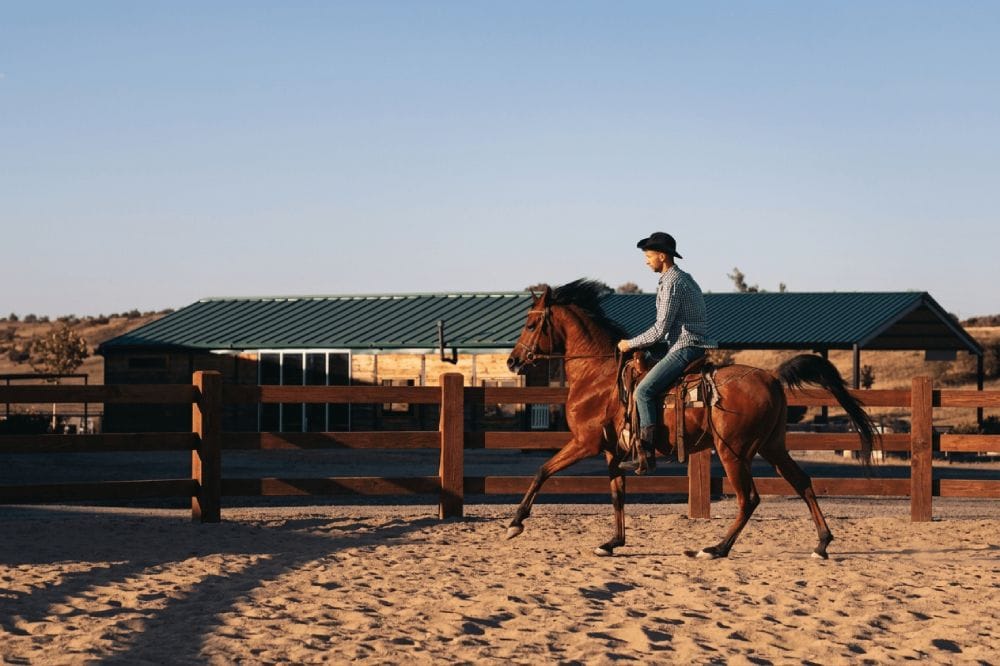
HDPE stands for high-density polyethylene, a type of plastic polymer that is used for a variety of industrial applications. HDPE is made from petroleum and is a highly durable, long-lasting material that is commonly used for products like pipes, plastic bottles, and, importantly, fencing. It’s known for its flexibility, strength, and exceptional resistance to environmental factors.
The process of manufacturing HDPE fencing involves extrusion, where the polymer is heated, melted, and formed into long planks or posts. These planks are then cooled and cut into various sizes to fit the fencing needs of different applications.
A key feature of HDPE is its exceptional resistance to UV light, making it perfect for outdoor use. It doesn’t degrade when exposed to the sun and retains its strength even in extreme temperatures. HDPE is also chemically inert, which means it does not react with chemicals in the environment, such as fertilizers or animal waste often found in agricultural settings like horse arenas.
HDPE vs. Other Materials for Outdoor Arena Fencing
To fully appreciate the benefits of HDPE fencing, compare it with other commonly used materials for outdoor horse arenas. Let’s examine how HDPE stacks up against wood, vinyl, electric, and chain link fencing.
HDPE vs. Wood
Wood has long been a popular choice for horse arena fencing due to its classic appearance. However, wood is prone to many issues that make it less suitable for outdoor use. It rots when exposed to moisture, splinters, and warps under temperature fluctuations. Wood fencing also requires regular maintenance, including painting, sealing, and replacing broken boards.
In comparison, HDPE doesn’t suffer from these issues. It will not rot, warp, or splinter, and it doesn’t need painting or sealing. HDPE offers a safer, more durable, and low maintenance alternative to wood.
HDPE vs. Vinyl
Vinyl fencing is also a popular choice for outdoor horse arenas, but it comes with its own drawbacks. While vinyl is low maintenance, it can crack or become brittle in cold temperatures, especially in areas with harsh winters. Vinyl fencing also lacks the flexibility of HDPE, making it more prone to breaking under pressure.
HDPE, on the other hand, is stronger and more flexible, making it less likely to crack under pressure. It also outperforms vinyl in terms of UV resistance and temperature stability, ensuring that the fence will remain intact and visually appealing for years.
HDPE vs. Electric
Electric fences are a cost-effective option for horse containment, but they have some significant limitations.
One of the main concerns with electric fences is safety. Horses can accidentally come into contact with the charged wires, which could result in injury or distress. Electric fences also require a constant power source, meaning they are dependent on electricity to function. In addition, electric fences tend to be less visually appealing and do not provide the same level of physical barrier as a solid fence.
HDPE fencing provides a permanent, safe solution that does not rely on electricity or risk of shock. It creates a more secure, effective boundary that won’t cause harm to horses. Unlike electric fences, HDPE fencing is durable, requires no power source, and offers a more aesthetically pleasing appearance.
HDPE vs. Chain Link
Chain link fencing is commonly used in various types of enclosures, but it may not be the best option for horse arenas. Chain link fences provide minimal protection in terms of safety for horses. The gaps in the mesh can cause injuries if a horse gets caught, and the metal can be prone to rust, especially in humid or wet climates.
Alternatively, HDPE is a solid material that offers much better protection for horses. It is rust-resistant and provides a smoother, safer surface for horses to interact with.
Key Benefits of HDPE Fencing for Outdoor Horse Arenas
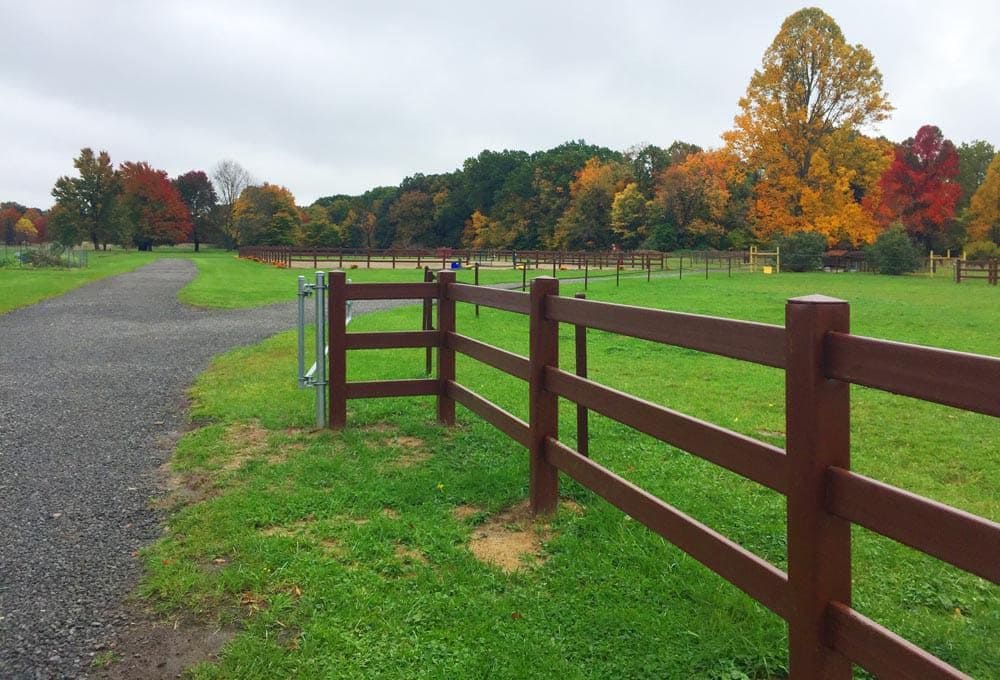
When it comes to choosing the best fencing for your outdoor horse arena, HDPE offers a combination of superior features that make it stand out among other options.
Weather Resistance
HDPE is built to withstand extreme weather conditions. Unlike wood, which can rot when exposed to moisture, HDPE remains stable in wet or humid conditions. Its resistance to UV rays ensures that the material won’t fade, crack, or degrade under direct sunlight, even after prolonged exposure. It’s an excellent choice for regions that experience extreme weather, including heavy rainfall, intense sun, and freezing temperatures.
Superior Safety & Durability
HDPE fencing is incredibly safe for both horses and riders. Unlike wood, which can splinter, or metal, which can have sharp edges, HDPE fencing has a smooth surface that is free of splinters, sharp edges, or other hazards. These qualities make it a safer alternative, especially in environments where the horse or rider may accidentally collide with the fence.
Additionally, HDPE is highly durable. It is resistant to impacts and does not break under pressure. This strength makes it ideal for environments where the fence might experience significant force, such as horse arenas where horses are in motion.
Versatility
HDPE fencing comes in a variety of colors, sizes, and styles, allowing you to customize the look of your arena to suit your preferences. Whether you want a traditional or modern look, HDPE offers versatility in design while providing the same level of protection and durability.
Minimal Maintenance
One of the key advantages of HDPE is its minimal maintenance needs. While wood fencing requires regular maintenance such as painting, sealing, or replacing damaged boards, HDPE needs very little upkeep. Its resistance to rot, fading, and warping means you won’t need to invest time or money into regular repairs. Simply cleaning the fence occasionally is enough to keep it looking great.
Longevity & Sustainability
HDPE fencing has an impressive lifespan. It can last decades without needing to be replaced, which makes it a cost-effective solution in the long run. Additionally, HDPE is an environmentally friendly material. It is 100% recyclable, meaning that at the end of its life, it can be repurposed rather than ending up in a landfill.
HDPE Outdoor Horse Arena Fencing: FAQs
What Is HDPE Fencing Made of?
HDPE fencing is made from high-density polyethylene, a type of plastic polymer known for its strength, durability, and resistance to the elements. It is created through an extrusion process, where the polymer is heated, molded into long planks or posts, and then cooled into a solid structure ideal for outdoor use.
How Long Does HDPE Fencing Last?
HDPE fencing is incredibly durable and can last for decades with minimal maintenance. Unlike wood or vinyl, it doesn’t rot, warp, or splinter, ensuring that it maintains its strength and appearance over time. Its longevity makes HDPE fencing a cost-effective option in the long term.
Is HDPE Fencing Safe for Horses?
Yes, HDPE is one of the safest fencing options for horses. It has a smooth, splinter-free surface, reducing the risk of injury from sharp edges or broken boards. Its durability and impact resistance also make it a safe and secure choice for both horses and riders.
Does HDPE Fencing Require a Lot of Maintenance?
No, HDPE fencing is low maintenance. While wood fencing needs regular painting, sealing, or replacing damaged boards, HDPE does not require any of these maintenance tasks. It resists fading, rotting, and warping, saving you time and money on repairs.
Can HDPE Fencing Withstand Extreme Weather, UV Exposure, & Temperature Fluctuations?
Yes, HDPE is highly resistant to extreme weather conditions. It won’t fade under UV rays, crack in freezing temperatures, rot after exposure to moisture, or warp from the heat. This superior resistance makes HDPE fencing the best material for horse arenas—especially those located in areas that experience harsh sun, rain, extreme cold, or fluctuating temperatures.
Is HDPE Fencing Environmentally Friendly?
Yes, HDPE is an environmentally friendly option. It is 100% recyclable, meaning that at the end of its life, it can be repurposed rather than ending up in a landfill. Additionally, the long lifespan of HDPE reduces the need for frequent replacements, which helps minimize waste.
What Is the Cost of HDPE Compared to Other Fencing Materials?
While the initial cost of HDPE fencing may be higher than materials like wood or vinyl, its durability, low maintenance requirements, and long lifespan make it more cost-effective in the long run. You won’t have to worry about frequent repairs, replacements, or ongoing upkeep costs, which ultimately saves you money.
Is HDPE Fencing Easy to Install?
HDPE fencing is relatively easy to install compared to other materials like wood or metal. It’s lightweight yet durable, simplifying the installation process. It also doesn’t require specialized tools or skills, which reduces installation time and costs.
Find the Best Outdoor Riding Arena Fencing Options at Derby Fence
HDPE fencing is the clear winner when it comes to choosing the best material for outdoor horse arenas. It provides superior safety, weather resistance, and durability, with minimal maintenance requirements and a long lifespan. HDPE outperforms wood, vinyl, electric fences, and chain link in several key areas, making it the most cost-effective and reliable option.
For horse owners looking to invest in a fence that will provide long-term value, durability, and safety, HDPE is the ideal choice.
Ready to upgrade your outdoor horse arena fencing? Contact Derby Fence today for a free quote and personalized fencing consultation. Our team is here to help you create a safe, beautiful, and efficient riding arena with the highest-quality HDPE arena fencing on the market. Together, we’ll choose the perfect solution for your needs and ensure that your horse arena fencing remains safe, durable, low maintenance, and aesthetically pleasing for years to come.
