

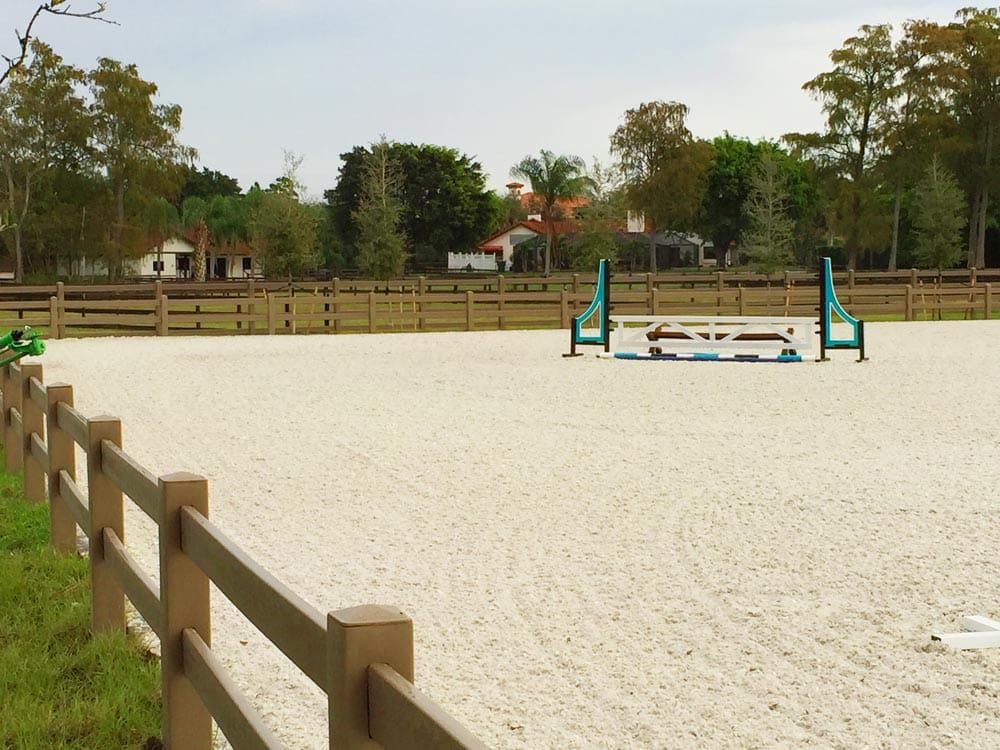
When designing a horse arena, most owners focus on footing, drainage, and layout. Fence height often feels like a secondary decision. But in reality, the height of your riding arena fence plays a major role in safety, performance, and long-term functionality. A fence that is too low may invite a bold horse to test the boundary, and one that is unnecessarily tall can limit visibility and make the arena feel closed in.
The right arena fence height strikes a balance. It supports safe riding, suits your discipline, and complements your property.
General Horse Arena Fence Height Recommendations
Fence height should create a clear physical and visual boundary without encouraging jumping attempts or creating a confined atmosphere. The goal is containment, not obstruction.
While there is no universal rule that applies to every property, most horse arena fencing falls within a fairly consistent range based on decades of riding experience, safety data, and facility design best practices.
The following general guidelines serve as a starting point before adjusting for discipline, horse behavior, and property-specific factors.
Standard Fence Height Range for Most Riding Arenas
For most private and professional riding arenas, the typical fence height falls between 4 and 5 feet (48 to 60 inches). This range has become the industry norm because it balances visibility with reliable containment.
At 4 feet, the fence provides a clearly defined boundary for trained horses that respect arena limits. It works well in controlled environments where riders maintain steady communication and horses are accustomed to structured work.
At 5 feet, the added height offers a stronger psychological and physical barrier. This additional height is particularly valuable in facilities that house multiple horses, accommodate various skill levels, or host higher energy training sessions. The extra 12 inches can make a noticeable difference in discouraging boundary testing without making the arena feel closed off.
Many property owners ultimately select a height between 4.5 and 5 feet to gain the benefits of both openness and added security.
Discipline-Based Arena Fence Height Guidelines
While general height ranges provide a helpful starting point, riding discipline often plays a decisive role in the final decision. The way horses move, the speed at which they travel, and the type of training they receive all influence how much perimeter containment is appropriate.
Different riding styles place different demands on arena fencing. An arena designed for collected flatwork has different demands than one built for jumping courses or high speed patterns. Understanding how each discipline interacts with the fence line allows property owners to select a height that supports both safety and performance.
Dressage Arenas
In many dressage arenas, the fence serves more as a visual frame than a heavy containment barrier. It outlines the working space without distracting from the refined movements happening inside.
Dressage focuses on precision and balance rather than speed or jumping. Movements are controlled and intentional, with horses trained to remain attentive within defined boundaries. For this reason, a 4-foot fence is often sufficient, especially in private settings with experienced riders. That said, facilities housing young, recently imported, or particularly spirited horses may prefer a height of 4.5 to 5 feet. The additional height can offer reassurance during moments of tension or adjustment.
Hunter & Jumper Arenas
Jumping disciplines require additional thought. Horses in these programs are trained to approach obstacles with athletic intent. While they are not meant to jump the perimeter fence, a lower boundary can appear inviting during moments of excitement, distraction, or forward momentum.
A 5-foot fence is commonly recommended for hunter and jumper arenas because it presents a more definitive visual and physical barrier. It reduces the likelihood that a horse will view the perimeter as something that can be cleared. However, in particularly high energy training environments, such as show barns or facilities schooling advanced courses, some owners may want to consider slightly taller configurations to further reinforce that boundary.
Western Riding & Ranch Work
Western disciplines often involve quick turns, sliding stops, rollbacks, and bursts of speed. These maneuvers can carry significant momentum toward the perimeter, particularly during pattern work or cattle related activities.
The fence must clearly contain forward motion while preserving wide sightlines across the arena. A height between 4.5 and 5 feet typically works well. It offers reliable containment during dynamic movements while maintaining the open feel many western riders prefer, as riders benefit from being able to see corners and rail lines without visual obstruction.
Training Arenas for Young or Green Horses
Young horses can be unpredictable. Sudden spooking, bolting, or boundary testing is common during early training stages. Their reactions are often less controlled, and their awareness of physical limits is still developing.
In these environments, leaning toward the higher end of the range, around 5 feet, can provide additional security. A taller fence reinforces spatial boundaries and helps prevent impulsive attempts to push past the perimeter during moments of uncertainty. This added height can be especially valuable in professional training programs where multiple green horses rotate through the same arena.
Multi-Purpose Arenas
Many properties design arenas to serve more than one purpose. Lessons, recreational riding, flatwork schooling, and occasional jumping may all take place within the same enclosed space.
When an arena supports multiple disciplines or accommodates riders of varying skill levels, 5 feet is often the most versatile choice. It provides flexibility for different activities while maintaining a consistent standard of containment.
Choosing a slightly taller height in these cases also allows room for future changes in training focus without requiring major structural modifications.
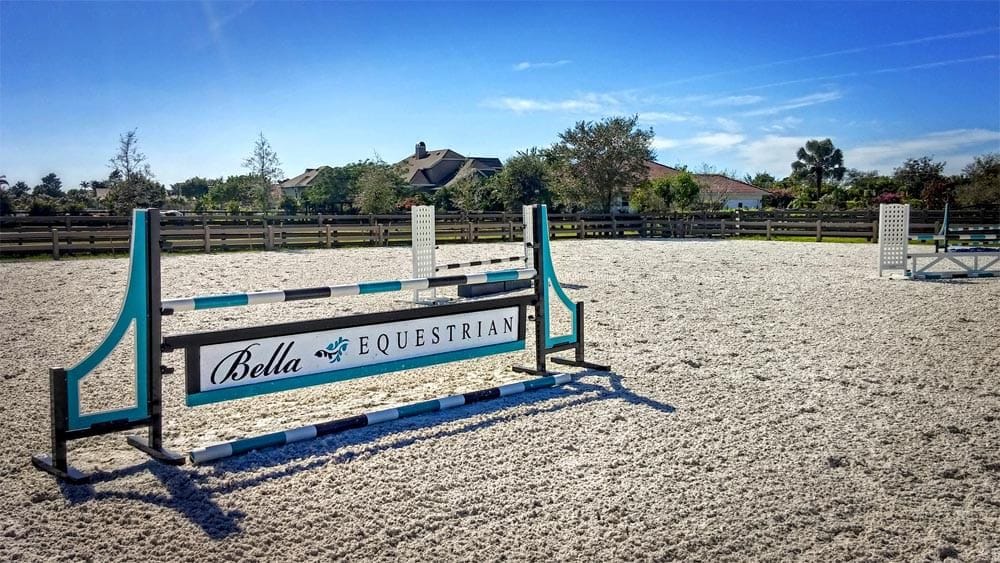
8 Key Considerations When Determining Horse Riding Arena Fence Height
Selecting a fence height is not simply about choosing a number within a recommended range. The context surrounding your arena plays a critical role in how that height performs in real world conditions. A 5-foot fence in one setting may feel perfectly proportioned, while the same height in another environment could appear visually shorter or function differently.
Evaluate the following elements as you make a decision that fits your specific property and riding arena goals.
1. Horse Behavior & Temperament
Some horses are calm and respectful of boundaries. Others are curious, reactive, or highly athletic. Stallions and herd-oriented horses may behave differently than seasoned geldings used to structured training. If your horses tend to test limits or react strongly to outside activity, a taller fence may be appropriate.
2. Safety Best Practices
Perimeter fencing should discourage jumping attempts without creating injury risks. Smooth rails, consistent height, and secure posts reduce hazards, so avoid designs with sharp edges, climbable features, or uneven height changes along the arena. Uniformity plays an important role in maintaining rider confidence and horse focus.
3. Visibility & Sightlines
A riding arena should feel open. Riders, trainers, and spectators benefit from clear visibility across the space. The chosen fence height should maintain a sense of openness while still defining the boundary clearly.
Open rail fencing allows horses to see beyond the arena without feeling boxed in. Solid walls, while sometimes necessary indoors, can increase spooking in outdoor environments.
4. Rail Spacing & Ground Clearance
The distance between rails is critical. Wide spacing can allow a hoof or leg to slip through, but extremely narrow spacing may not be necessary for most arena applications.
The bottom rail should sit high enough to prevent contact with footing materials but low enough to discourage horses from ducking underneath. Balanced spacing contributes to overall safety just as much as height.
5. Arena Purpose & Traffic Level
A quiet backyard arena used by one rider has different needs than a busy boarding or lesson facility. Higher traffic facilities often benefit from the added containment of a 5-foot fence. With multiple riders and varying skill levels, a more secure perimeter provides additional protection.
6. Terrain & Property Layout
Sloped ground changes how fence height is perceived. A 5-foot fence measured from post to top rail may appear shorter from the downhill side. Proper grading and professional installation help maintain consistent height visually and structurally across the entire perimeter.
7. Material
Fence height is only part of the equation. Material selection influences durability, safety, and maintenance requirements.
Traditional wood fencing offers a classic look but can splinter, warp, or rot over time. Vinyl may crack under heavy impact or extreme temperatures. High density polyethylene, or HDPE, provides a different level of resilience. It is engineered for strength, flexibility, and long-term performance in demanding equestrian environments.
8. Aesthetic Goals
For many property owners, appearance matters. A well-designed arena enhances the overall look of a farm or equestrian facility. Therefore, the right height should complement barn architecture, paddocks, and surrounding fencing while maintaining a professional finish.
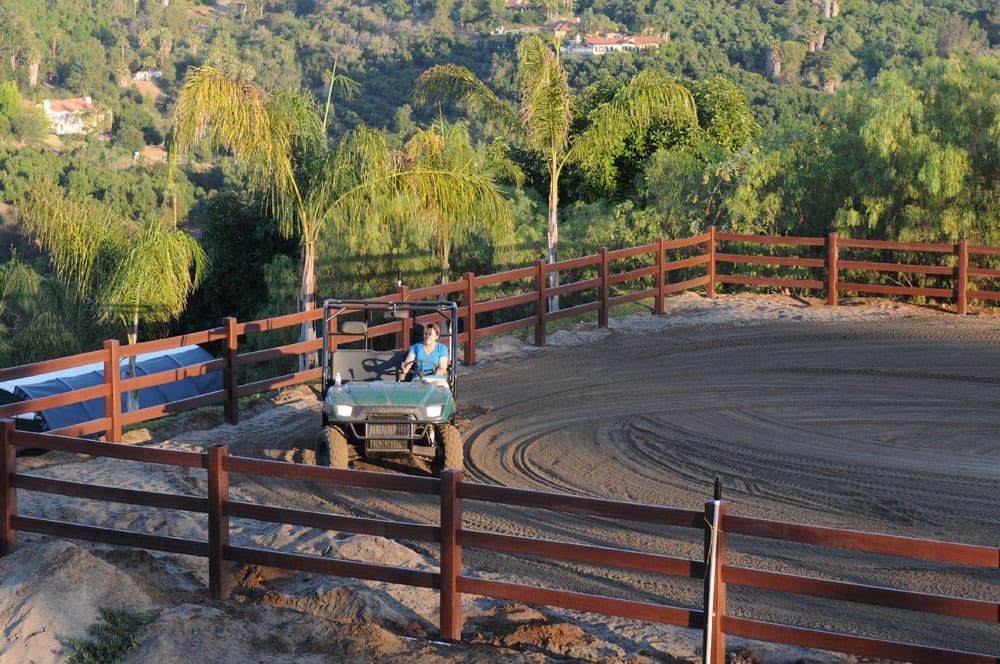
How to Find the Perfect Horse Arena Fence Height for Your Property: 5 Steps to Take
Finding the right arena fence height is a step-by-step process. Rather than defaulting to a standard measurement, take time to evaluate how the space will be used, who will ride in it, and how your property functions as a whole.
Follow these steps to get started.
Step #1: Define Your Primary Riding Discipline
Designing around your primary discipline helps prevent underbuilding the perimeter, so clarify how the arena will be used most often. A dressage focused space, a hunter jumper schooling ring, and a western pattern arena each create different movement patterns and speeds near the rail. If jumping is part of the program, lean toward the higher end of the recommended range. If the arena will host a mix of flatwork, lessons, and occasional courses, select a height that comfortably accommodates the most demanding activity.
Step #2: Evaluate Your Horses & Riders
Consider the age, temperament, and training level of the horses that will use the arena. Young horses, highly athletic prospects, or reactive individuals may benefit from a taller visual boundary. Also, factor in rider experience. Beginner riders often feel more confident in a clearly contained space.
Matching fence height to both equine behavior and human skill level creates a more controlled and comfortable environment.
Step #3: Analyze Your Property & Terrain
Walk the perimeter and study the land itself. Slopes, elevation changes, and drainage patterns influence how tall a fence appears and performs. A fence installed on uneven ground can look shorter from certain angles, which may alter how horses perceive the boundary.
Address grading and layout early so the finished height reads consistently around the entire arena. Property access points, nearby paddocks, and barn placement should also influence final measurements.
Step #4: Plan for Future Growth & Flexibility
Think beyond your current program. Will you introduce jumping in the future? Add lesson clients? Expand into shows or clinics? Choosing a slightly taller and more versatile height today can reduce the need for modifications later. A fence that supports evolving disciplines and increased activity protects your investment and keeps your arena adaptable.
Step #5: Consult an Experienced Fence Professional
Professional input helps align safety, aesthetics, and durability in one cohesive plan, resulting in an arena perimeter that performs as intended for years to come, so bring in a knowledgeable fencing partner to translate your goals into a practical design. An experienced provider can recommend precise measurements, rail spacing, post placement, and material options tailored to your site.
Why HDPE Arena Fencing Is the Ideal Solution
Choosing the correct fence height is only part of building a reliable riding arena. The material behind that height determines how the fence performs under pressure, weather exposure, and daily equestrian activity.
A well-designed arena perimeter should withstand impact, maintain its appearance over time, and support the safety of both horse and rider. Fortunately, HDPE arena fencing is engineered specifically for demanding equestrian environments. It combines structural strength with flexibility and a clean, professional finish, making it a practical and long-lasting solution for private farms, training facilities, and competitive venues alike.
Strength Without Splintering
Traditional wood fencing can dry out, split, or break under stress. When that happens, sharp edges and splinters create potential hazards for horses brushing against the rails at speed. Over time, repeated impact and weather exposure can weaken boards, requiring repair or replacement.
HDPE fencing offers structural integrity without the risk of splintering. Its solid composition resists cracking and surface breakdown, even in fluctuating temperatures. If a horse makes contact with the rail, the material remains smooth and consistent, reducing the likelihood of cuts or abrasions.
Advanced Flexibility & Impact Resistance
Horses lean, bump, and occasionally collide with fencing during daily work. Whether during a tight turn, a sudden spook, or playful interaction along the rail, impact is part of arena life.
HDPE is designed with built-in flexibility that allows it to absorb and redistribute force rather than shatter or snap. This resilience helps the fence maintain its structural form after contact. Compared to rigid materials that may crack under pressure, HDPE performs with controlled give, supporting both durability and safety.
Low Maintenance & Long-Term Durability
Outdoor arenas face constant exposure to sun, rain, snow, and humidity. Wood may rot, warp, or attract insects over time. Painted surfaces can fade, peel, or demand routine upkeep to maintain a polished appearance.
HDPE resists moisture absorption, insect damage, and many forms of weather-related wear. It does not require painting, sealing, or staining to maintain its look. For busy facilities managing multiple horses and riders, this reduced maintenance translates into lower long-term costs and fewer interruptions for repairs.
Clean, Professional Appearance
An arena often serves as a visual centerpiece of an equestrian property. Clean lines and consistent rails contribute to a professional atmosphere that reflects pride in the facility.
HDPE fencing maintains a uniform color and finish across posts and rails, creating a cohesive look from corner to corner. Because the material resists fading and surface deterioration, the arena retains its polished appearance season after season. This combination of form and function enhances both daily riding experience and overall property value.
Horse Arena Fence Height FAQs
What Is the Standard Horse Arena Fence Height?
The standard horse arena fence height typically falls between 4 and 5 feet (48 to 60 inches). A 4-foot fence works well for calm, well-trained horses in controlled environments, while 5 feet offers added containment for high energy horses, jumping disciplines, and multi-use facilities. The right choice depends on how the arena is used and the temperament of the horses inside it.
Is 4 Feet Tall Enough for a Riding Arena Fence?
In many cases, yes. A 4-foot riding arena fence height is suitable for dressage arenas, private backyard facilities, and seasoned horses that respect boundaries. However, if the arena will host jumping, young horses, or unpredictable behavior, a taller fence may provide additional security and peace of mind.
Should Jumping Arenas Have Taller Perimeter Fencing?
Yes, jumping arenas often benefit from a 5-foot fence. Horses trained to clear obstacles may be more inclined to test lower boundaries, especially during moments of excitement. A taller perimeter creates a stronger visual and physical barrier, which reduces the risk of accidental boundary attempts.
Does Fence Height Affect Horse Behavior?
Fence height can influence how a horse perceives the arena boundary. A clearly defined, appropriately tall fence discourages boundary testing and helps maintain focus during training.
How Many Rails Should a Riding Arena Fence Have?
Most riding arena fences use two or three rails, depending on the desired height and level of containment. Three rail configurations are common for 4.5- to 5-foot fences because they provide stronger visual definition and reduce the chance of a horse attempting to step or push through the perimeter.
What Is the Safest Material for Horse Arena Fencing?
Safety depends on both height and material. HDPE fencing is widely favored for arena applications because it resists splintering, absorbs impact more effectively than rigid materials, and maintains a smooth surface over time. When combined with appropriate riding arena fence height and proper installation, it creates a durable and horse friendly perimeter.
Can Fence Height Vary Around the Arena?
Fence height should remain consistent around the entire arena to maintain visual clarity and structural integrity. Variations in terrain can make a fence appear uneven, which is why grading and professional installation are important. Uniform height helps horses recognize the boundary clearly from every angle.
Shop the Best Arena Fencing Options at Derby Fence
There is no single universal answer to how tall a horse arena riding fence should be. Most arenas fall within the 4- to 5-foot range, with 5 feet offering greater versatility for high energy horses, jumping disciplines, and multi-use facilities. The ideal height depends on your riding style, horse behavior, property layout, and long-term goals.
If you are planning a new riding arena or upgrading an existing one, the team at Derby Fence can help you select the right height and HDPE arena fencing solution for your property. Contact us today to get a free quote, discuss your project, and receive expert guidance tailored to your equestrian needs.
