

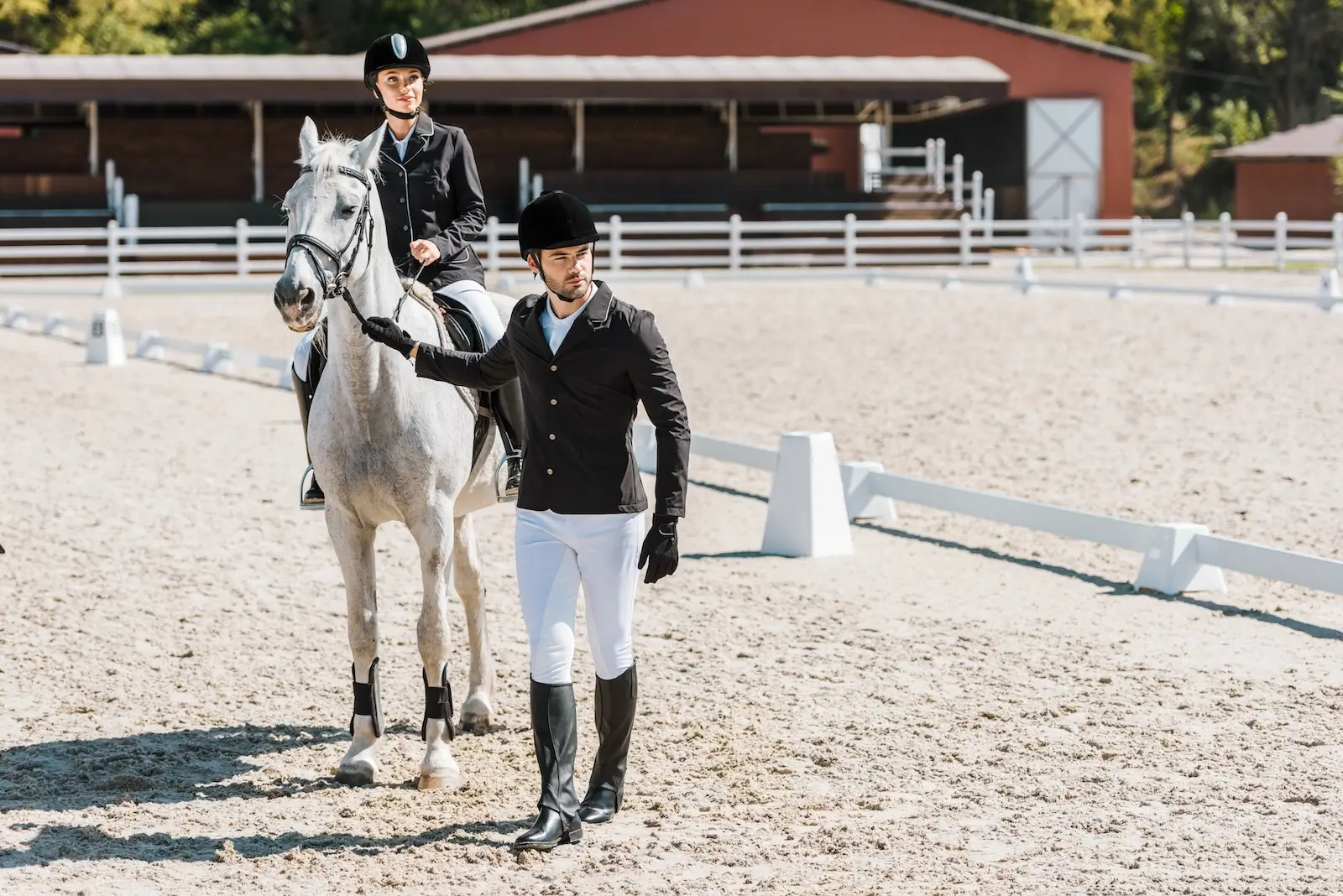
A dressage arena should feel polished the moment you step inside it. Clean lines, clear boundaries, and a layout that supports focus can make everyday training feel more intentional and make the entire facility look more professional.
The fence plays a bigger role than most owners expect. It frames the ring, improves visibility, supports horse-and-rider safety, and shapes how the arena looks from every angle.
The best part is that modern dressage arena fencing doesn’t need to be complicated. With the right rail style, smart gate placement, and a few design details, you can create an arena that feels competition-ready while still being practical for daily use.
10 Modern Dressage Arena Fencing Ideas
Modern dressage arena fencing is all about simplicity done well. The strongest designs use crisp lines, high visibility, and materials that look sharp without demanding constant maintenance.
Consider the following dressage arena fencing ideas that balance clean aesthetics, safety, and long-term durability. They can work for both training arenas and competition-style rings.
1. Classic White Rails with a Minimal Profile
A clean white rail is the most recognizable look in dressage, and it still feels modern when the profile is simple and the lines stay straight. Minimal rail designs look refined, keep the ring bright and visible, and pair well with almost any barn style. They’re a strong choice for facilities that want a timeless look without decorative clutter. Classic white rails also photograph well, which is a bonus for barns that host clinics, shows, or marketing content.
2. Two-Rail vs. Three-Rail Dressage Arena Fencing
Two-rail fencing has a more open, minimal look. It can make an arena feel larger and less visually busy, which many owners prefer for modern facility design. Three-rail fencing feels more defined, creates a stronger visual boundary, and can improve visibility from a distance.
If your arena is used for training young horses, hosts clinics, or sees a lot of activity, three rails can provide extra visual clarity. If your goal is a clean, airy aesthetic and you want the fencing to fade into the background, two rails may be the better match.
3. Low-Profile “Dressage Rail” Systems (Traditional Show Look)
Low-profile dressage rails mimic the look of show rings and create a sharp, competition-style boundary. This style is often used for arenas that want a professional presentation without the height of standard fencing. It’s also a great option for riders who want fewer visual distractions.
With the right layout, low-profile rails can give a training arena a polished, championship-level feel.
4. Rounded Rail Styles for a Softer, Premium Look
Rounded or softened rail profiles are a popular modern trend because they feel refined and slightly more upscale than harsh, square edges. The look can be subtle, but it changes the overall feel of the arena, especially when combined with crisp corners and clean gate hardware. This style works well for boutique barns and premium facilities that want design details to feel intentional.
5. Black or Dark-Trim Accents for Modern Contrast
A modern twist on the traditional white dressage arena fence is adding subtle dark accents such as darker posts, caps, or trim lines. The contrast can create a high-end look, particularly when the barn or surrounding property uses darker architectural elements. If you go this route, keep safety and visibility in mind; a fence should still read clearly from the saddle and stand out from the footing, even in lower light.
6. Decorative Corner Markers That Stay Simple & Functional
Corners are one of the first things people notice in a dressage arena. Clean, reinforced corner posts can make the entire ring look sharper while also strengthening the areas that take the most stress.
Instead of overly decorative features, many modern arenas use subtle upgrades like thicker corner posts, clean caps, or small reflective accents. These details help the arena look finished without making it feel busy.
7. Integrated Letter Markers & Professional Signage
Letter markers are a practical detail that also improves the overall presentation of the arena. When they’re done well, they add a competition-ready feel and make training more efficient.
Modern options include mounted letter plates, rail-attached markers, and sleek freestanding letters. The best approach is one that stays consistent and easy to read without creating distractions.
8. Smart Gate Placement (Including Double-Gate Designs)
Gates are one of the most overlooked parts of arena design, but they can make or break the long-term usability of the fence line. A gate placed in the wrong location can lead to frequent bumps, uneven wear, and awkward traffic patterns.
A modern, practical setup usually includes at least one wide equipment gate for an arena drag, mower, or tractor. Many facilities also add a separate rider gate to reduce wear on the main entrance. Double-gate designs can look cleaner and help keep entry lines straight.
9. Matching Arena Fence & Perimeter Fence for a Cohesive Property Look
If your dressage arena is visible from the driveway, barn, or main property areas, matching the arena fence to the surrounding fencing can elevate the entire facility. It gives the property a finished, professional look and supports a strong brand impression for boarding barns and training centers.
The goal is cohesion: a consistent rail profile, matching posts, and a unified color palette.
10. HDPE Rail Systems for a Clean Look That Lasts
Many modern arenas are moving toward HDPE fencing systems because they combine the clean look of a dressage fence with durability that holds up in real facility life.
HDPE rails tend to maintain a crisp appearance longer, handle impact more gracefully, and require less ongoing effort to keep the arena looking polished. For owners who want modern style without constant upkeep, HDPE often checks the most boxes.
Key Safety & Design Tips for Dressage Arena Fencing
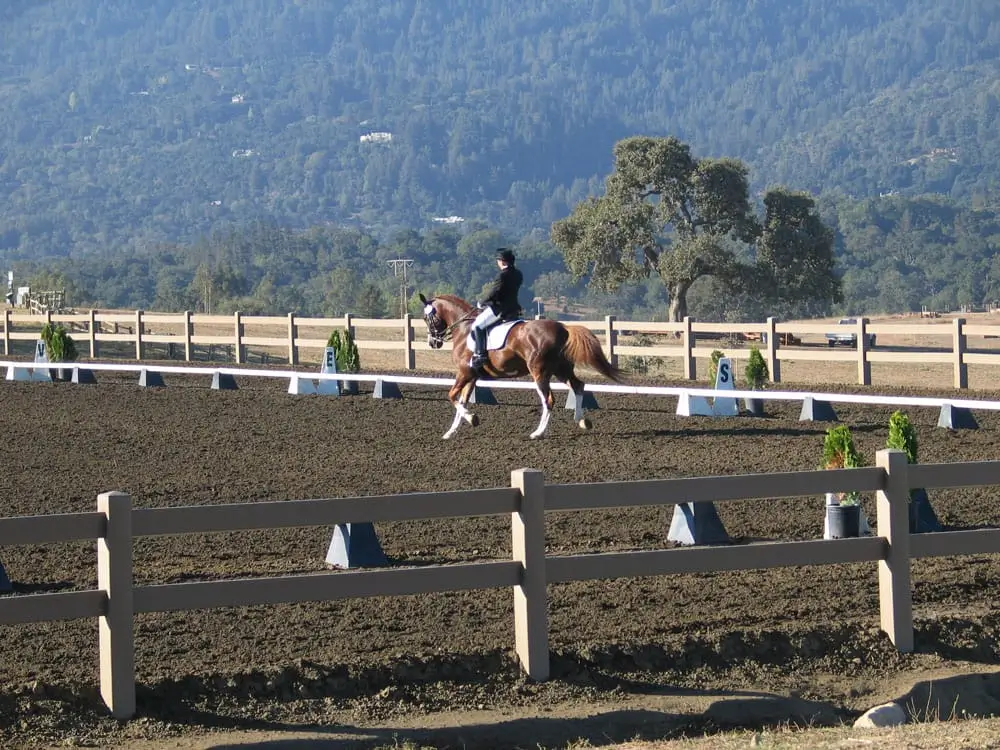
Style matters, but safety is the foundation. Dressage fencing should be smooth, highly visible, and predictable if contact happens. Good design also protects your investment by reducing long-term wear, preventing damage in high-stress areas, and keeping the arena easy to use day after day.
Keep these tips in mind as you design dressage arena fencing.
Prioritize Visibility (Especially for Young Horses)
Dressage fences should stand out clearly from the footing and the surroundings. High visibility helps horses recognize boundaries and helps riders maintain orientation and accuracy during training.
White rails are popular for a reason: They are easy to see and create clean visual lines. If you choose darker accents, keep them subtle and make sure the fence still reads clearly from a distance and in different lighting conditions.
Choose Smooth, Horse-Friendly Materials
Materials should be smooth to reduce the risk of cuts or scrapes if a horse makes contact. In dressage, accidental contact with the fence is not common, but it does happen, especially in training environments. A smooth, durable rail system with clean corners and well-finished connections creates a safer experience for both horses and riders.
Keep Rails Straight & Consistent
Straightness is part of the visual discipline of dressage. Uneven rails, dips, or shifting corners can make the arena feel less polished and distract from the overall presentation.
Straight lines start with strong posts, correct spacing, and a thoughtful installation plan. A well-installed fence stays aligned longer and keeps maintenance simple.
Reinforce Corners & Gate Posts
Corners and gates are the highest-stress zones in an arena. These areas take the most impact from equipment, daily traffic patterns, and weather exposure. Reinforced corners help keep the fence line sharp and prevent small shifts from turning into visible misalignment. Strong gate posts also help the entry points stay smooth, functional, and visually clean over time.
Plan for Equipment Access
Even a private arena needs equipment access for dragging, mowing, and routine property maintenance. If the gate opening is too narrow or poorly placed, it leads to bumps, awkward turning angles, and long-term fence wear.
Wide gates and durable hardware make daily operation easier and reduce stress on the fence line. Many facilities include both a wide equipment gate and a smaller rider gate to keep traffic flowing smoothly.
Consider Footing Containment & Drainage
Arena fencing should work with the footing and the landscape. If rails sit too low or gaps are poorly planned, footing can spill out, wash away, or collect in unwanted areas.
Drainage is also worth considering during the design stage. Proper grading and runoff planning help keep the fence line clean and reduce long-term wear from water exposure.
Avoid Design Distractions
The best dressage arenas feel visually calm. Busy fence designs, inconsistent hardware, or clutter along the rail line can pull focus away from the ride, so keep fencing design simple and consistent. Choose letter markers and signage that are easy to read but not distracting. Maintain clean corners, uniform hardware, and a consistent rail height for a more professional ring.
Choose a Material That Matches Your Climate
Climateaffects how fencing performs and how long it maintains its appearance. Sun exposure, freeze-and-thaw cycles, humidity, and wind all create different stresses.
Dressage arena fencing material designed to handle your local conditions will look better longer and reduce repair work. It’s one reason many arena owners prefer HDPE for outdoor rings and facilities that want long-term durability with minimal maintenance.
Dressage Arena Fencing FAQs
What Is the Best Fencing for a Dressage Arena?
The best fencing for a dressage arena is fencing that stays straight, highly visible, smooth, and low maintenance over years of training and weather exposure. For many training and competition arenas, HDPE fencing is often the best overall choice because it maintains a clean, professional look, handles impact better than more rigid materials, and performs well in outdoor conditions.
How High Should Dressage Arena Fencing Be?
Dressage arena fencing is typically low-profile compared to other types of horse fencing. Many dressage rail systems are installed around 12 to 18 inches high, depending on the design and whether you’re using a traditional dressage rail or a taller fence style. If you’re building a competition-style ring, a low-profile rail often matches the look riders expect. For training facilities or arenas where visibility is a bigger concern, slightly taller rails or a two-rail or three-rail design may be a better fit.
How Many Gates Should a Dressage Arena Have?
Most dressage arenas work best with at least one main gate, but many facilities benefit from having two gates: one for riders and one for equipment. A wide equipment gate makes it easier to bring in an arena drag, tractor, or mower without bumping the fence line. A separate rider gate reduces wear on the main entry and supports smoother traffic flow during lessons or clinics.
Where Should You Place Gates in a Dressage Arena?
Gate placement should support safe, smooth entry while preventing traffic bottlenecks. Many arenas place gates on the long side for easier approach and more flexibility with riding patterns. Avoid placing gates too close to corners, since corners take more stress and are easier to damage with equipment or frequent turns.
Should You Choose Two-Rail or Three-Rail Fencing?
Two-rail fencing creates a clean, minimal look and can make an arena feel more open. Three-rail fencing creates a stronger visual boundary and can improve visibility from a distance, which can be helpful for young horses, busy training facilities, and arenas used for clinics. The best choice depends on the style you want and how the arena will be used day to day.
What’s the Safest Material for Dressage Arena Fencing?
The safest dressage arena fencing materials are those that are smooth, highly visible, and predictable on contact. HDPE is often considered a strong safety choice because it tends to flex instead of cracking sharply. It also holds up well in outdoor conditions, which helps the fence remain consistent and free from brittle damage.
Can Dressage Arena Fencing Be Used for Turnout or Containment?
Dressage arena fencing is designed to define the riding ring and improve visibility, not to contain horses the way pasture fencing does. If you need containment, you’ll want a dedicated horse fence system designed for that purpose. Many properties use a dressage rail for the arena and a stronger perimeter fence for turnout areas.
What’s the Best Way to Keep Dressage Arena Fencing Looking Clean?
White arena fencing will naturally collect dust and footing residue. Regular rinsing with water and occasional washing with mild soap can keep it looking bright. Choosing a material that resists chalking and holds its finish well, like HDPE, can also reduce how often deep-cleaning is needed.
Find the Best Dressage Arena Fencing Options at Derby Fence
Modern dressage arena fencing is about more than style. The best fencing ideas combine clean aesthetics with thoughtful safety and design choices that make the arena easier to use every day. Whether you prefer classic white rails, low-profile show rings, subtle modern contrast, or integrated markers and polished corners, the goal stays the same: a fence that frames the ring beautifully, supports visibility, and holds up over time.
At Derby Fence, we can help you choose a dressage arena fencing setup that matches your design goals, supports rider safety, and stays durable through daily training and outdoor exposure.
Ready to build a dressage arena that fits your facility? Contact Derby Fence today for a free quote and personalized fencing consultation. Our team is here to help you create a safe, beautiful, and competition-ready environment with the highest-quality HDPE horse and equine rail fencing on the market.
Together, we will create a safer, smarter, and stylish fence for your dressage arena.
