

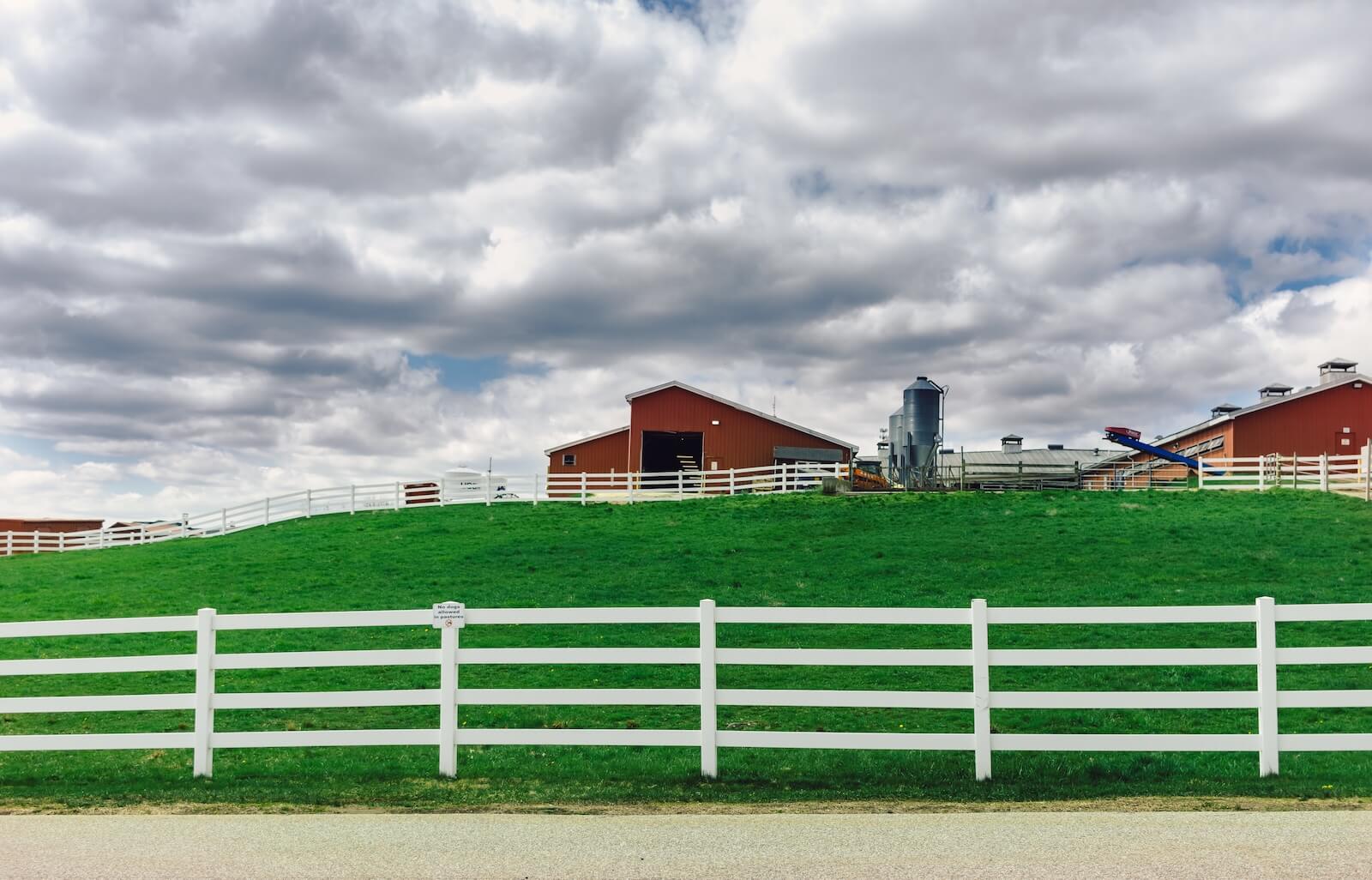
Cross fencing is a dependable way for landowners to improve the health and productivity of their pastures. Rather than relying on a single open grazing area, dividing land into thoughtfully planned sections creates more opportunities to protect forage, guide livestock movement, and strengthen the long term resilience of the land.
For anyone looking to make better use of their acreage, reduce pressure on pasture plants, conserve soil nutrients, reduce feed costs, and support healthier grazing patterns, cross fencing offers a practical and impactful solution.
What Is Cross Fencing?
Cross fencing is the practice of dividing a larger pasture into smaller, more manageable areas known as paddocks. Instead of allowing livestock to graze freely across one uninterrupted expanse, interior fencing creates distinct zones that can be grazed intentionally and in sequence. These divisions form the foundation of managed grazing and give landowners far greater influence over how—and how often—animals interact with specific parts of the landscape.
A cross-fenced pasture can include permanent divisions, temporary fencing, or a blend of both depending on the property layout, livestock type, and long-term management goals. And then, by breaking the land into strategic sections, it’s possible to balance grazing pressure, prevent plants from being repeatedly overgrazed, and create a healthier, more productive forage system overall.
 The Importance of Cross Fencing for Pasture & Livestock Management
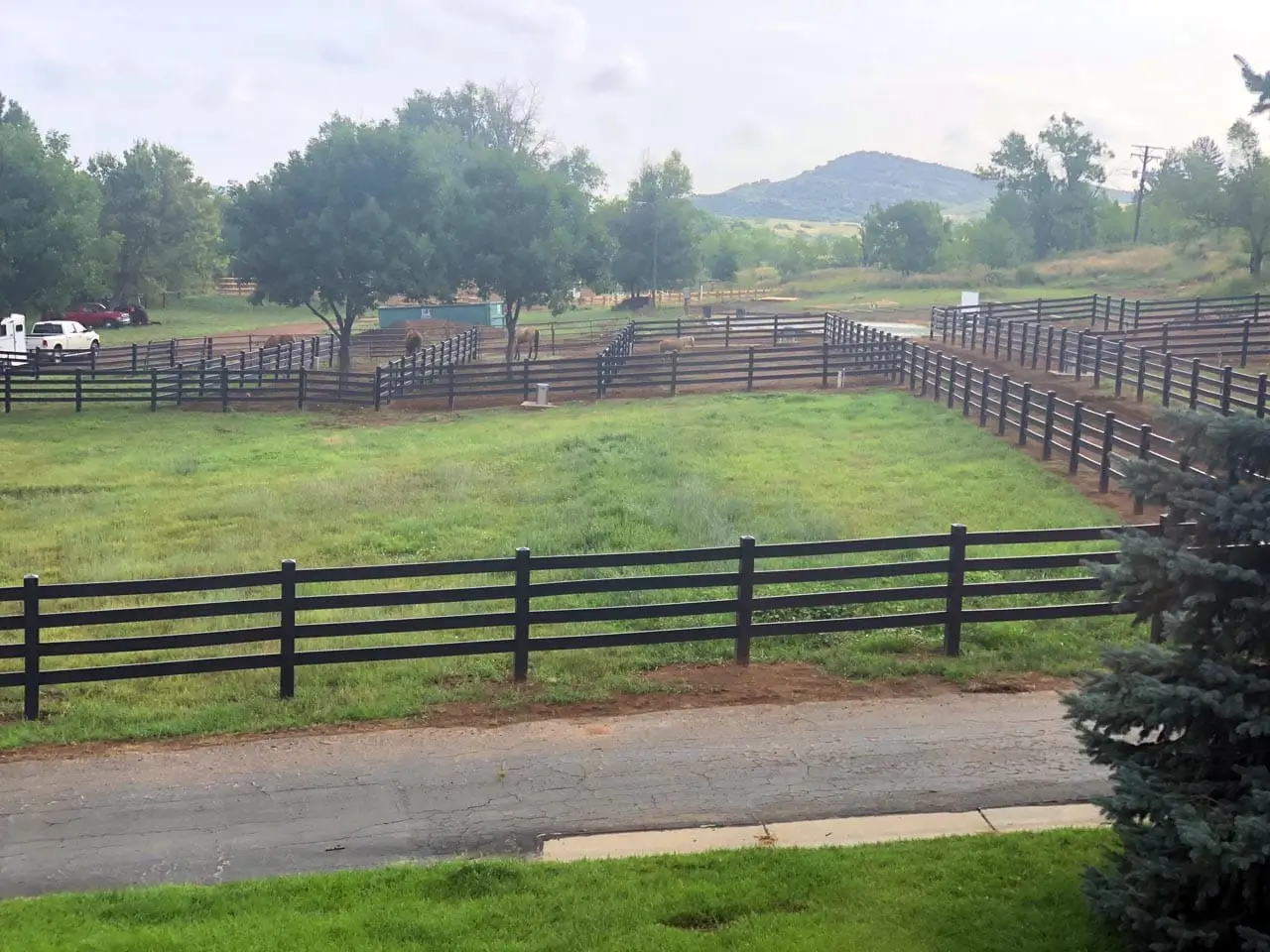 The Importance of Cross Fencing for Pasture & Livestock Management
Cross fencing plays a pivotal role in shaping healthy, productive grazing systems. Dividing a pasture into smaller zones allows landowners to guide livestock movement with far more precision as well as respond to the land’s needs in real time. It creates a more balanced relationship between animals and forage, reducing stress on the pasture while improving the overall performance of the herd.
Managed Grazing
Cross fencing makes managed grazing possible by giving livestock access to one area at a time. Instead of allowing animals to roam freely and graze selectively, the landowner can determine when a paddock is ready for use and when it needs time to recover. This controlled approach encourages healthier plant communities, extends the life of the pasture, and allows forage to reach its ideal growth stage before being grazed again. With each well-timed rotation, managed grazing leads to stronger root systems, more vigorous forage regrowth, and improved long-term productivity.
Improved Pasture Health
Without cross fencing, livestock often return repeatedly to their favorite plants, which weakens them while other vegetation becomes overmature and less nutritious. Dividing the pasture reduces this selective pressure and promotes more uniform grazing across the landscape. When plants experience appropriate rest periods, they are able to rebuild energy reserves and maintain deeper, more resilient root systems. This process results in thicker forage stands, richer soil biology, and a pasture that responds better to changing weather conditions.
Better Nutrient Distribution
Livestock naturally gravitate toward preferred areas such as shade, water, favorite grazing spots, shelter, and familiar paths. In open grazing systems, it leads to concentrated manure buildup in a few locations while other areas remain nutrient-poor. Cross fencing distributes animals more evenly, allowing manure to fertilize the entire landscape. As nutrients cycle more consistently throughout the pasture, soil structure improves, microbial life flourishes, and the quality of forage across all paddocks becomes more uniform.
Livestock Control & Behavior Management
Interior fencing gives landowners greater flexibility in how they manage livestock groups. Animals can be separated by age, weight, health status, or breeding needs as required. Controlled movement also reduces the stress of gathering or relocating livestock, since paddocks and lanes guide their natural flow. This structured environment helps create safer handling conditions, encourages calmer behavior, and simplifies day-to-day livestock management tasks.
Land Conservation & Soil Protection
Healthy plant cover stabilizes the soil, reduces erosion, and promotes better water infiltration. Unfortunately, continuous grazing places tremendous pressure on vulnerable portions of a pasture, especially near water sources or on slopes. Cross fencing protects these sensitive zones by allowing animals to be moved before vegetation is damaged. In the long run, it contributes to improved watershed health, stronger pasture resilience, and a more sustainable use of the land.
How Cross Fencing Works
At the heart of cross fencing is a simple cycle: graze, move, rest, repeat.
Livestock enter a paddock and graze until forage reaches a targeted stubble height. They are then moved to the next designated section, and the previously grazed paddock enters a rest phase. During that rest period, plants rebuild root systems, regrow leaves, and restore their energy reserves.
The length of rest and grazing periods varies based on factors such as livestock type, forage species, weather, and season. As this cycle repeats year after year, the entire ecosystem grows stronger and more self-sustaining. Forage production increases, plant diversity improves, soil health regenerates, and the land becomes more resilient during periods of drought or heavy rainfall.
Managed movement also reduces pressure on high-traffic areas such as shade zones and water access points. By rotating animals consistently, the pasture stays productive while reducing the risk of compaction and erosion.
10 Key Benefits of Cross Fencing a Pasture
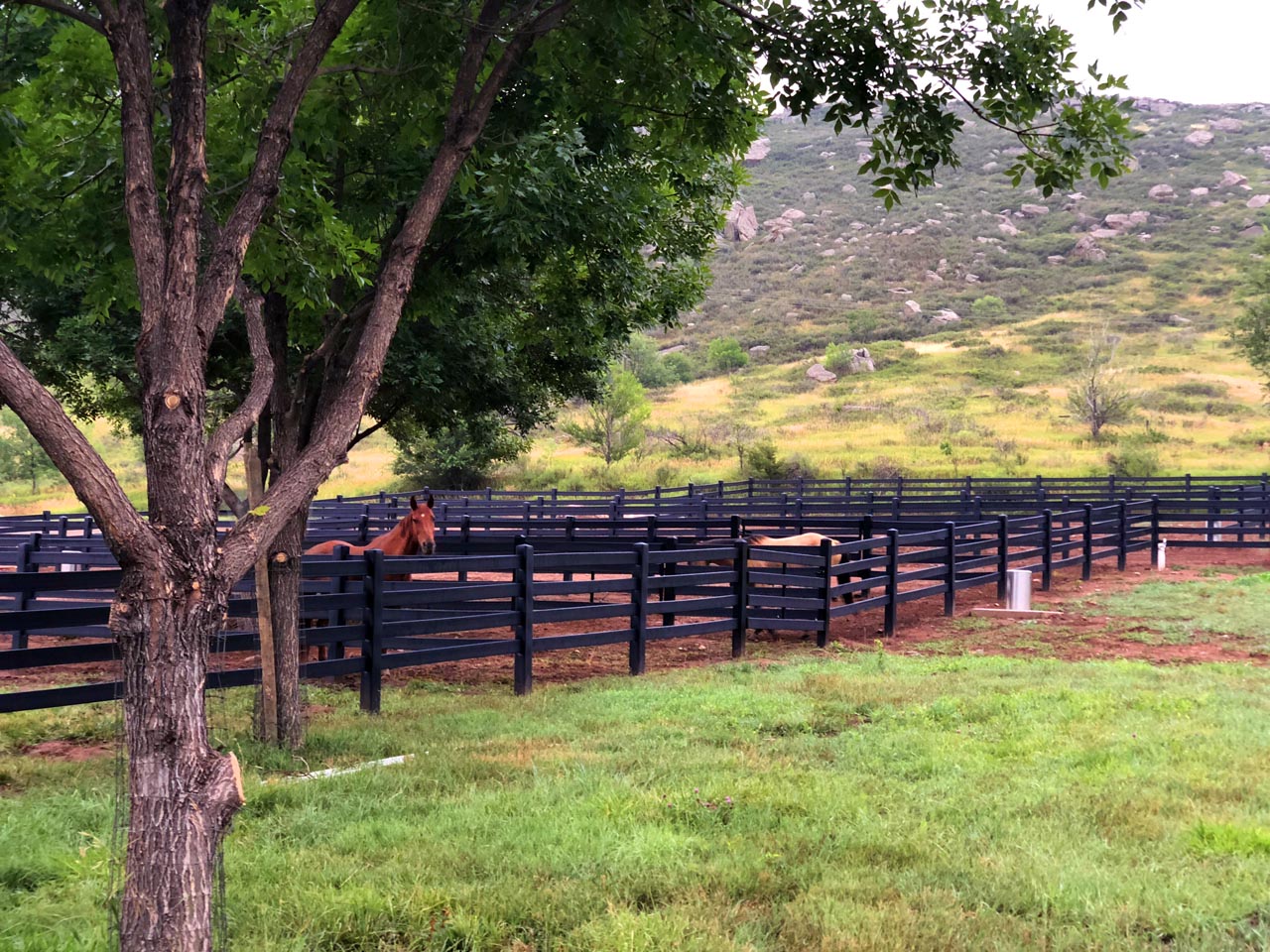 10 Key Benefits of Cross Fencing a Pasture
Cross fencing reshapes how a pasture functions. Instead of relying on a single grazing area that must meet every demand at once, the land begins to operate as a coordinated system where forage, soil, and livestock all work in sync. This shift produces compounding benefits: stronger plant communities, healthier animals, and a more profitable, sustainable use of the acreage.
When paddocks are planned thoughtfully, the gains multiply over time. Each grazing cycle builds on the last, gradually improving the foundation of the entire operation.
1. Healthier Pasture Ecosystem
A well-designed rotational system allows plants to fully recover between grazing intervals. That rest period is where the transformation happens. Root systems grow deeper, carbohydrate reserves rebuild, and the forage becomes denser and more nutritious. Gradually, this process encourages a more diverse mix of plant species, including those that struggle to compete under continuous grazing.
With stronger root networks and richer plant cover, the pasture becomes more resistant to stress, whether from heavy rainfall, summer heat, or prolonged dry spells. This ecological stability ultimately feeds back into higher-quality forage and a more reliable growing season.
2. Higher Carrying Capacity
When forage regrows to its optimal height and maturity before being grazed again, productivity rises significantly. Paddocks that would normally be overgrazed or underutilized begin producing more consistently.
As the overall volume and nutritional value of forage increases, the land can support a larger number of animals without degrading its long-term health. Many property owners find that thoughtful cross fencing extends their grazing season, reduces pressure on stored feed, and unlocks the full potential of acreage they previously considered marginal.
3. Controlled, Even Grazing
Livestock are selective by nature. In open pastures, they return repeatedly to tender regrowth or preferred species, leaving less desirable vegetation untouched. This unbalanced pressure creates patchy forage and weakens the plants that animals graze the most.
Cross fencing changes this dynamic completely. By confining livestock to smaller areas for shorter periods, the herd grazes more evenly and consumes a broader mix of plant species. Over time, this even utilization leads to healthier plant stands, fewer bare spots, and more reliable regrowth across the entire property.
4. Improved Livestock Management
Interior fencing creates a natural framework for daily operations. Animals can be sorted or moved more easily, whether for breeding, medical treatment, rotational shifts, or nutrient balancing.
Smaller paddocks also make it easier to observe livestock behavior and catch early signs of stress or health issues. Because movement between paddocks becomes part of a predictable routine, animals tend to stay calmer and more cooperative. It simplifies handling and creates a safer environment for both livestock and people.
5. Reduced Erosion & Soil Compaction
Continuous grazing exposes soil to erosion by removing too much protective plant cover. Heavy, repeated animal traffic further compacts the ground, limiting water infiltration and oxygen flow to plant roots.
Cross fencing alleviates these pressures by rotating livestock before vegetation becomes stressed. With healthier plant cover holding the soil in place, the risk of runoff drops significantly. In rested paddocks, soil organisms flourish and natural tilth returns, improving the land’s ability to absorb and retain moisture. Over the long term, these soil improvements become one of the most valuable outcomes of cross fencing.
6. Greater Drought Resilience
Pastures managed through cross fencing often outperform continuously grazed fields during dry conditions. The combination of deeper root systems, stronger plant communities, and better soil structure gives the land a greater capacity to withstand periods of limited rainfall. Even when growth slows, rested paddocks typically retain enough vegetation to support grazing longer into the season.
This stability can make a meaningful difference in feed costs and herd management during unpredictable weather cycles.
7. Enhanced Water Management
Cleaner, less congested water points support healthier herds and reduce the risk of contamination or nutrient overload in sensitive areas. With cross fencing to balance grazing pressure more effectively, animals spread out across the pasture rather than congregating in one or two favorite spots, which reduces the strain on water access areas, limits mud and compaction near troughs or ponds, and encourages more uniform manure distribution.
The cumulative effect is a pasture system that cycles water and nutrients more efficiently across all paddocks.
8. Reduced Feed Costs
As forage quality improves and productivity increases, livestock can spend more of the year grazing rather than relying on supplemental feed. Many operations see a noticeable reduction in hay and grain requirements once their cross fencing system matures.
Because paddocks recover more predictably, landowners can plan their grazing schedule with greater confidence, optimizing forage use and stretching feed budgets further. As these patterns become more predictable, they help create a more consistent financial flow for the operation by reducing unexpected feed costs and giving producers greater control over long-term planning.
9. Lower Disease Transmission Risk
Rotational grazing disrupts the life cycles of many parasites and pathogens that thrive in continuously grazed environments. By moving animals before manure accumulates in concentrated areas, the risk of exposure decreases significantly.
Healthier forage, cleaner ground, and more evenly distributed grazing also contribute to overall herd wellness. As seasons progress, this reduction in disease reduces treatment costs, lowers stress on animals, and supports a more resilient livestock population. While the paddocks rest, sunlight, weather, and time naturally break down pathogens, which creates cleaner ground for the next grazing rotation.
10. More Efficient Land Use
Cross fencing gives property owners the ability to guide livestock across the landscape with intention. Whether the goal is to graze specific vegetation, protect sensitive zones, or target regrowth at the perfect stage, paddocks make that level of precision achievable. This structured approach turns every acre into a tool for production and stewardship, increasing the land’s value and long-term performance.
As the system matures, landowners often discover new opportunities to refine grazing patterns, integrate additional paddocks, or rehabilitate previously underperforming areas, further expanding the productivity of their property.
 Tips for Designing Cross Fencing Systems for Managed Grazing
 Tips for Designing Cross Fencing Systems for Managed Grazing
Designing a cross-fencing system is both a strategic and practical exercise. The goal is to create a setup that supports healthy forage growth while keeping livestock movement smooth and low stress. A well-planned layout not only enhances pasture performance but also simplifies daily management, reduces labor, and makes the grazing system easier to adjust as conditions change.
The following tips will help you build a cross-fencing design that works with the land rather than against it.
Evaluate the Land First
Start by studying the property as a whole. Walk the pasture, take notes, and learn how the landscape behaves throughout the year. Look closely at slopes, low areas, natural drainage paths, soil types, and vegetation patterns. This assessment helps determine where fencing should—and should not—go. Using aerial maps, contour lines, or simple on-site observations, identify areas that are easy for livestock to access, spots that stay wet after rain, and zones that may need protection.
The more you understand the land’s natural tendencies, the easier it becomes to design paddocks that support both forage recovery and efficient movement.
Account for Livestock Behavior
Different species, and even different breeds, move and graze in unique ways. When fencing supports livestock behavior, animals stay calmer and move more willingly during rotations. Observe your animals: Where do they like to rest, where do they travel, and how do they react during transitions between areas? Use these insights to design paddocks that complement rather than disrupt their natural habits.
Design Practical Paddock Layouts
Square or rectangular paddocks offer several advantages: They require fewer materials, make herd movement easier to predict, and help livestock distribute grazing pressure more evenly.
Good paddock design makes rotation simple and intuitive, which in turn encourages consistent grazing habits. When designing the layout, consider how animals will enter and exit each paddock and how the shape influences their access to water and shade. Use existing perimeter fences to your advantage by building interior lines that connect logically.
Provide Access to Water, Shelter, & Shade in Every Paddock
Livestock should never have to travel far for water, shade, or shelter—three essentials that directly influence grazing behavior and overall herd well-being. When animals have reliable access to water and comfort resources in every section of the pasture, they graze more evenly, stay calmer, and maintain better condition throughout the season.
Place water points so animals can reach them without clustering or degrading the surrounding ground, and evaluate whether a centrally located trough or individual paddock sources make the most sense for your layout. Just as important is making sure each paddock provides access to natural or constructed shade and protection from wind or extreme weather.
Plan Lanes & Gates Thoughtfully
Lanes serve as livestock highways, guiding animals toward new paddocks without confusion. A well-designed lane system can dramatically reduce labor when shifting animals and simplify herd management during busy seasons.
Design lanes wide enough for calm movement and ensure they connect efficiently to gates placed in natural flow points—corners, well traveled paths, or areas animals already prefer to move through. Additionally, remember that gates should be wide enough to accommodate equipment like ATVs or tractors and built strong enough to handle frequent use.
Consider Seasonal Shifts
Forage growth changes with the seasons, and your fencing layout should reflect those shifts. Identify areas that offer shade during summer, wind protection during winter, or natural shelter during storms. Incorporate these elements into paddock layouts, so livestock have access to comfortable conditions year round.
Seasonal planning also includes mapping how vegetation responds to different weather patterns, so you can adjust grazing intensity or rotation schedules without stressing the pasture.
Choose Long-Lasting, Low-Maintenance Materials
The fencing material you select affects the longevity, safety, and overall performance of the system.
High-density polyethylene (HDPE) fencing provides reliable durability for cross fencing setups, especially in operations with active livestock or challenging weather. Unlike wood or metal, HDPE won’t rot, rust, or splinter, making it a safer and more cost-effective solution over time. Its flexibility allows it to withstand impact without breaking, and its long service life helps maintain consistent grazing boundaries with minimal upkeep.
Perform Regular Maintenance
Even the best fencing system needs routine care. Walk paddocks periodically to check post alignment, tension, gate hardware, and water systems. Look for signs of wear, animal damage, or shifting soil.
Addressing minor issues early prevents larger failures later and keeps your grazing rotation operating smoothly. Regular maintenance also provides a chance to observe how the pasture is responding so you can adjust your grazing plan when necessary.
FAQs About Cross-Fenced Pastures
What Is a Cross-Fenced Pasture?
A cross-fenced pasture is a grazing system built around multiple paddocks separated by interior fences. This layout supports rotational grazing, improves forage recovery, and provides more flexibility in managing livestock movement and pasture health.
Why Cross Fence a Pasture?
Cross fencing is used to improve forage quality, protect plant communities, control where livestock graze, distribute manure evenly, reduce erosion, and extend the life of the pasture. It helps landowners get more productivity from each acre while supporting long-term sustainability.
How Does Cross Fencing Improve Pasture & Livestock Management?
By controlling where animals graze and how long they stay in each paddock, cross fencing allows forage to rest and regrow, strengthens root systems, and prevents overgrazing. It also simplifies handling, reduces stress on animals, boosts soil nutrients, and creates more predictable grazing patterns that improve herd health and behavior.
How Many Paddocks Do I Need for Rotational Grazing?
The number of paddocks depends on herd size, forage growth rates, climate, and management goals. Many systems start with four to six paddocks, but operations focused on regenerative grazing may use 10 or more. The key is to make sure each paddock has enough rest time between grazings.
How Large Should Each Paddock Be?
Paddock size varies widely, but each should contain enough forage for the grazing window you plan to use—typically a few days to a couple of weeks. Smaller paddocks promote more even grazing, while larger ones may work for herds that need more space. Terrain, water access, shelter/shade, and livestock type also influence paddock size.
Do Animals Need Access to Water in Every Paddock?
Yes. Consistent access to clean water is essential for grazing efficiency and animal health. Some systems place a central water source accessible from multiple paddocks, while others install waterers in each paddock. The best setup depends on land layout, herd behavior, and infrastructure.
Can Cross Fencing Help Reduce Feed Costs?
Absolutely. By improving forage quality and extending the grazing season, cross fencing reduces reliance on supplemental feed. Healthier pastures can support more animals for longer periods, lowering hay and grain expenses over time.
Is Cross Fencing Suitable for All Livestock Species?
Yes. Cattle, sheep, goats, horses, and many other grazing animals benefit from rotational grazing supported by cross fencing. Adjustments may be needed depending on species-specific behaviors, stocking densities, and forage preferences.
Will Cross Fencing Help Prevent Overgrazing?
Yes. Rotating animals between paddocks gives plants time to recover, protects root systems, and prevents the repeated grazing of preferred plants. It keeps the pasture from becoming depleted and encourages a more diverse and resilient plant community.
Does Cross Fencing Require a Lot of Maintenance?
Maintenance needs depend on the materials used. HDPE fencing requires very little upkeep due to its durability and resistance to weathering, while wood or metal may need more frequent repairs. Regardless of materials, routine checks of posts, wires, and gates help keep the system functioning smoothly.
What Materials Should Be Used for Cross Fencing a Pasture?
Durable, low-maintenance materials work best for long-term cross fencing. HDPE fencing is an excellent choice because it doesn’t rot, rust, or splinter, and it withstands livestock impact and harsh weather. Many operations also combine permanent HDPE fencing with temporary electric or wire fencing for flexible paddock adjustments.
Cross Fence Your Pasture with HDPE Fencing from Derby Fence
Cross fencing transforms how land and livestock interact, giving property owners a practical way to improve forage quality, elevate pasture productivity, boost the efficiency of livestock management, and strengthen long-term sustainability. With thoughtful planning and the right materials, managed grazing becomes simpler, more efficient, and more beneficial for the entire operation.
Ready to build a dependable cross fencing system? Contact Derby Fence today for a free quote and personalized fencing consultation. Our team is here to help you create safe, beautiful, and efficient paddocks with the highest-quality HDPE pasture fencing on the market.
